
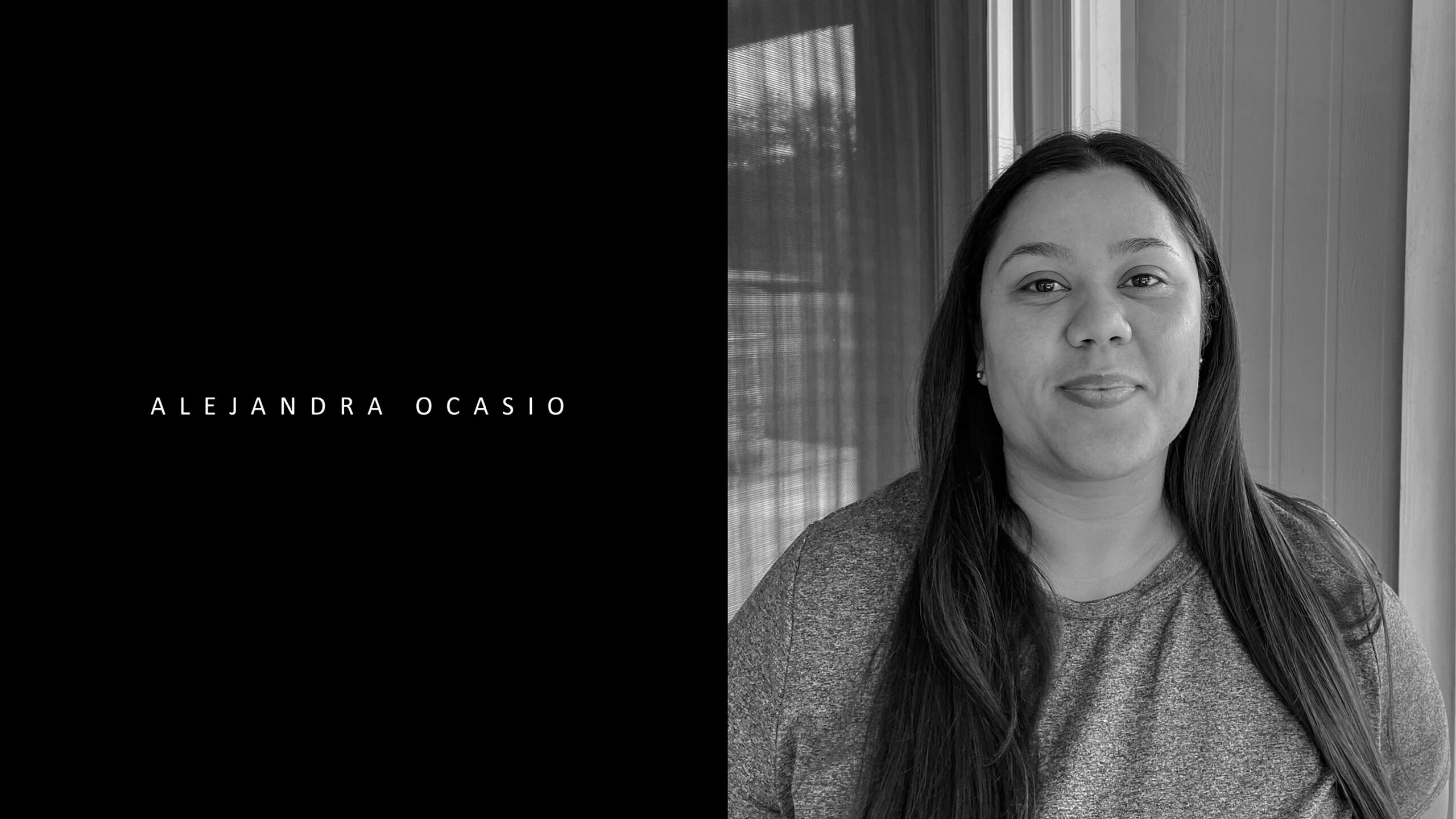
Alejandra Ocasio | Interviewed by Nayomi Santini Ayala | Listen
I had the pleasure of interviewing my aunt, Alejandra Ocasio, for the 2024 Voces y Caras project. Alejandra is married to my uncle, Ebdiel Ayala. She was born in Toa Baja, Puerto Rico, and resided there until Hurricane Maria devastated the island; which would then negatively affect my family members who, alongside Alejandra, were living there at the time. I chose to interview my aunt because I wanted to draw attention to the trauma that Puerto Ricans and the Caribbean face following a natural disaster. When Hurricane Maria occurred, my parents and I were in Florida. I remember frantically filling boxes with canned foods, flashlights, and batteries to provide aid to my family in Puerto Rico. I recall watching the news anxiously with my mother, as she waited for FEMA to answer her phone call. Alejandra’s testimony was eye-opening for me. I did not realize that while I attended school every day, my cousin had gone months without school. I cannot imagine what it must have been like to experience the aftermath firsthand. Alejandra is one of many who share the same story, but only a few speak about it. Although Hurricane Maria may not be current news, the islanders are reminded daily of its effects. There continue to be major issues with access to electricity and water, as well as infrastructure problems that have affected hospitals and schools. The destruction that followed the hurricane and the poor living conditions was the turning point for my aunt and her family. In 2019, they sold everything and moved to Jacksonville, Florida. Five years later, their lives have changed drastically, and for the better. I feel extremely proud of my aunt who, despite feeling homesick, has created a life here in Florida. Her perseverance in the face of disaster is a prime example of the resilience of the Puerto Rican people.

Ana María Evans | Interviewed by Jessica Mejía | Listen
I chose to interview Ana María Evan, someone who has impacted the lives of my family and the lives of many others across northeast Florida. Ms.Evans was born in Buenos Aires, Argentina. In her twenties, she became a teacher and worked in that career for approximately two years before her family decided to move to Florida. She moved with her parents, her sister, Suzanna, and her little brother, Hugo. While most of her family acclimated to the United States, her sister couldn't get used to the loneliness and lack of social interaction, therefore she returned to Argentina, and they had grown apart. She walks me through her life and expresses her feelings about living in Argentina and the United States; sharing the differences between the two cultures. For instance, she says that in the U.S. the idea of living independently can be very isolating, in contrast to Argentina where community is key. This is one of the main reasons she wishes she could move back to Argentina. Still, she chooses to reside in Florida for her daughter Teri, and her younger brother Hugo and his family, who consistently visit her. She does not regret her life and career in Florida, Ms. Evans became a paralegal and helped countless families with immigration questions and documentation. Her drive has always been to help others, and seeing as she had the skill set to help translate legal documents for families, she began offering her services at a lower price to aid families who couldn’t afford to pay elsewhere. Throughout the interview, she shares that even today, people and families will walk up to her and thank her again for helping them achieve their American Dream. She has lived here many years and has a lot to share.
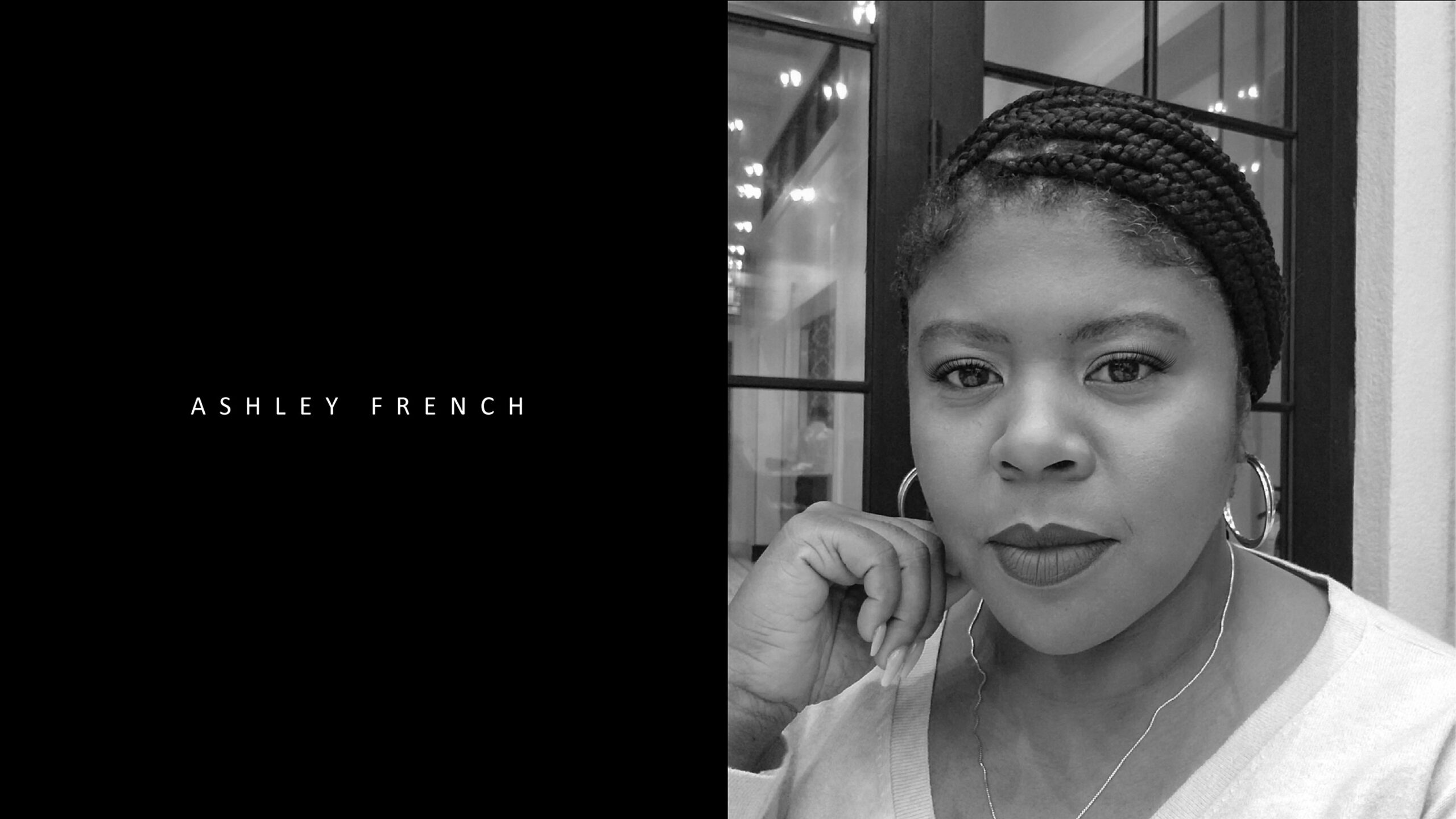 Ashley French | Interviewed by Valeria Johnson | Listen
This interview proved to be a full-circle moment as I had the pleasure of interviewing my high school Spanish language teacher, Ashley French. The conversation explores Señora French’s relationship to the Spanish language and Latin culture as a learned speaker. One of her early introductions to the diversity of Latin culture happened while taking a Caribbean cultures course in college. Upon hearing Celia Cruz for the first time, the seed was planted, she questioned: “Who in the world is that!?” Since then, her fascination and appreciation of the beauty of Latin America flourished. Sra. French wanted to help people by bridging the gap for Spanish speakers who faced language barriers. She first aimed to serve as a Foreign Service officer or to move abroad and work as a foreign diplomat. She wanted to help people with the challenges that arise when coming to a new place, however, with the events that took place on 9/11 she changed course. She decided to use her knowledge of Spanish to help in other sectors including assisting military spouses, helping people with welfare acquisition, and in housing transition. Sra. French taught advanced Spanish classes in my high school in Dunedin, Fl., where we met. She encouraged students to explore culture and to take advantage of the opportunities and growth that learning languages can give them. Today Sra. French continues to inspire and educate the youth of Jacksonville.
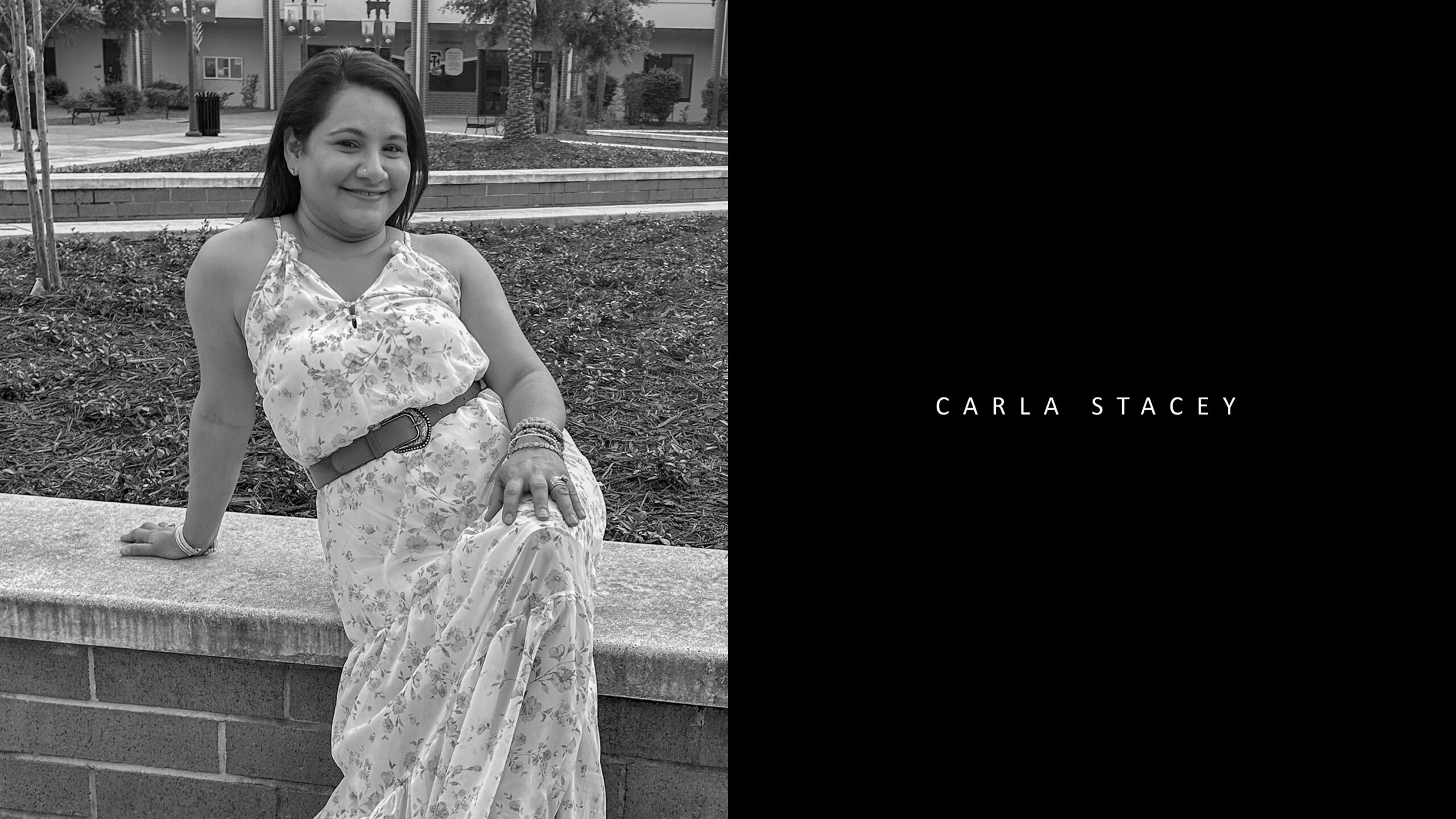
Carla Stacey | Interviewed by Anthony Stacey | Listen
I interviewed my mother, Carla Stacey, for the Voces y Caras project. She came to the United States when she was seventeen, leaving most of her family behind in Iquitos, Peru, and moved to New Jersey. After graduating high school in the United States, my mother soon joined the U.S. Navy, where she served our country for ten years. While in the Navy, my mother was a cook and was deployed several times. Toward the end of her military career, she had to make the greatest sacrifice to retire from the Navy to take care of my sister and me.
My mother has always been family-oriented; she takes pride in caring for those she loves, and her sacrifices in immigrating to the United States and giving up her naval career deeply show how much she loves her family. Throughout the interview, my mother addresses the cultural shock of moving to the United States, especially with the language barriers, and how moving to another country can be isolating. She notes the importance of being open-minded with the friends that a person makes and how she has friends from all over the world, in part because of her military career. My mother also spoke of her regrets and success as a Latina living in the United States. Her biggest regret was not spending more time with her family, who still live in Peru, but her biggest success comes from watching how successful my sister and I have been in our lives. My mother’s most important message is to be strong and never let anyone define you.
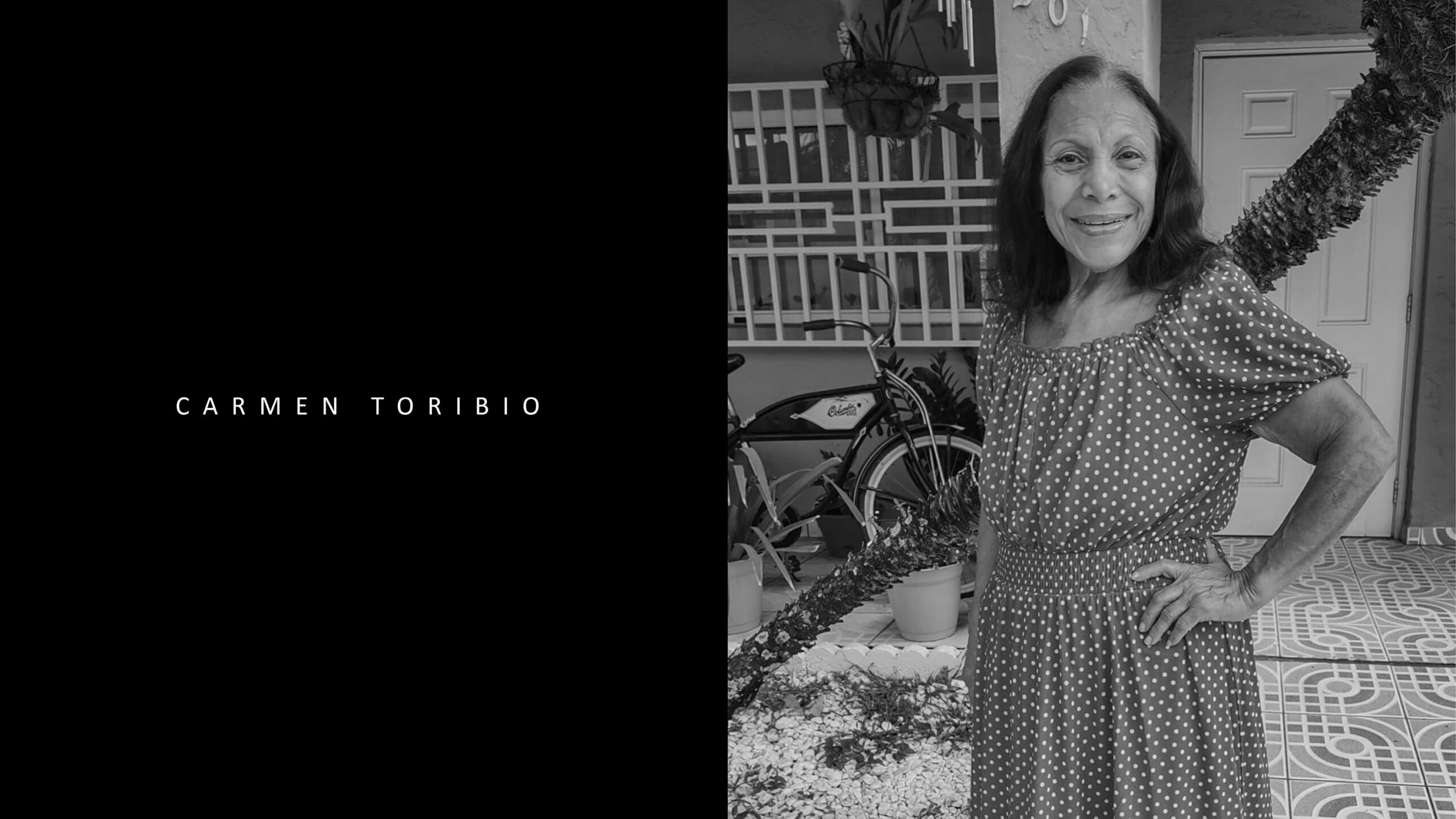
Carmen Toribio | Interviewed by Jamilet Soto | Listen
I chose to interview my grandmother, a Dominican immigrant who lived through the dictatorship of Rafael Trujillo (1930-1961). Born in 1944, she’d spent most of her youth playing with her siblings, however, she was also surrounded by the traumas of a repressive regime. During his time in power, Trujillo was almost treated like a god; his image was printed on things as common as notebooks and displayed in every house. It was forbidden to say anything negative about him or criticize how he led the country. This situation forced many people to leave the country.
My grandmother's older sister, who had been living in the U.S., requested a visa for my grandma. Initially, she didn’t want to migrate, as she would have to leave her children behind. Eventually, one of her sisters convinced her, and she decided to go to the consulate in the Dominican Republic to begin the process. After she passed the test and paid for her visa, she was surprised when she was told her children would be granted visas. At first, my grandmother, father, aunts, and uncle lived in New York. All five of them had to work to afford a living there, staying in a cramped basement apartment. Eventually, my aunt moved to Florida seeking the warmer weather, and the rest of the family followed. My grandma has no regrets about her decision to move to the U.S., as her life now is comfortable.
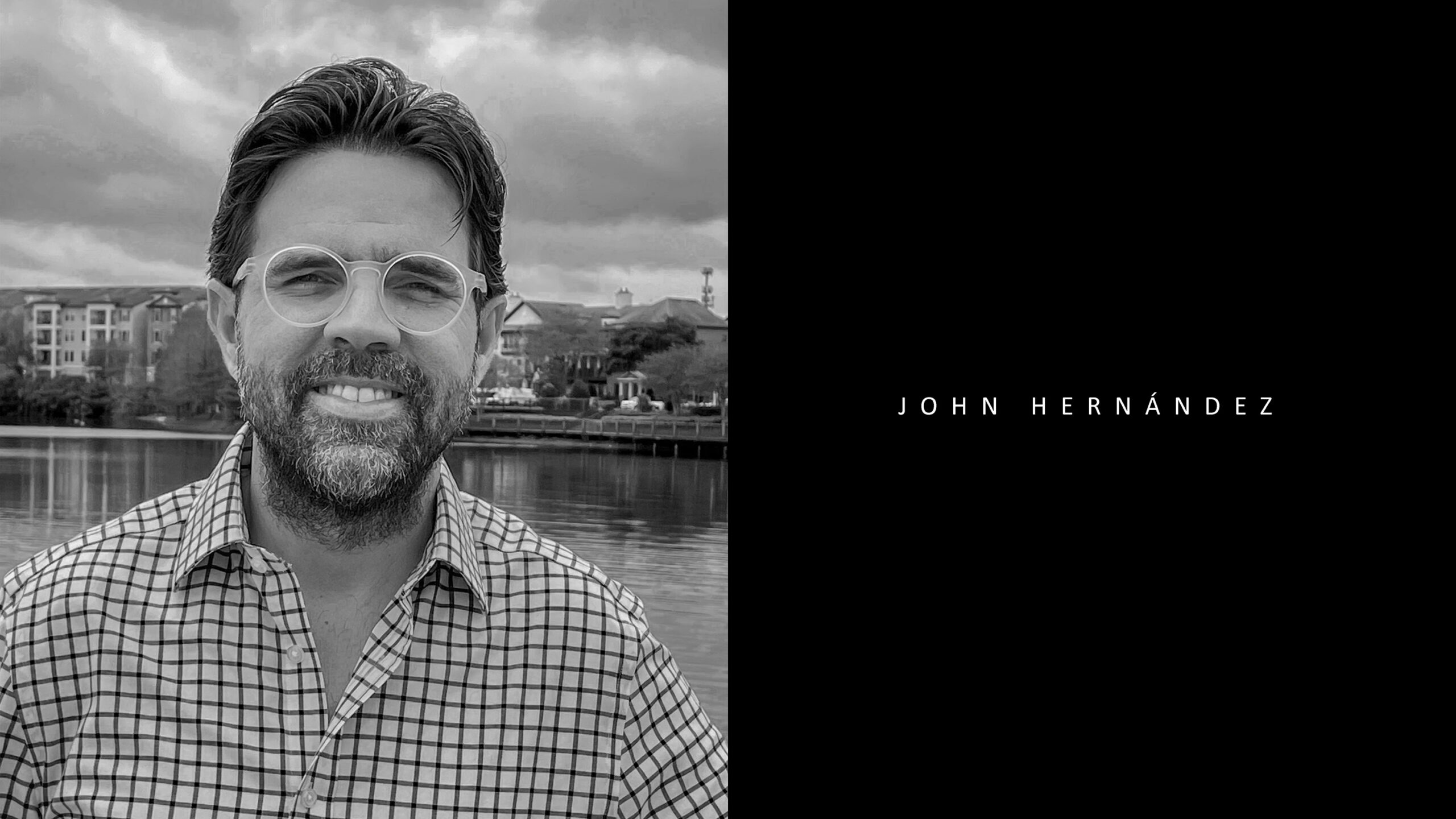
John Hernández | Interviewed by Julianet Solares Rodríguez | Listen
I interviewed John Hernández, a Dominican immigrant who came to the United States seeking better health services for his five-year-old son, Arturo. Arturo had been diagnosed with autism and Hernández’s priority was to find the best medical attention possible. John and his wife, Fransel, are committed to seeking top medical experts for Arturo and obtaining the best possible education for their daughter, Miranda. Hernández has worked hard to provide for his family. He is a financial advisor at a financial institution in Jacksonville. He had previously come to the United States after his mother passed away when he was fourteen years old. During that time, he lived with his brother, Jean-Paul, however, he felt that life in the United States was not what he was looking for at that moment. After his freshman year, he decided to return to the Dominican Republic. It has been two years since John decided to move back to the United States with his wife and two children. He wants to become more involved in the North Florida Hispanic community because he believes Latinos play an important role in this area. So far, Hernández's biggest challenge is his family’s adaptation and integration into the new culture. It has been difficult to accept the change, but as a dad he understands that his core objective is his children's future. They are grateful for the health and educational opportunities their children are acquiring.
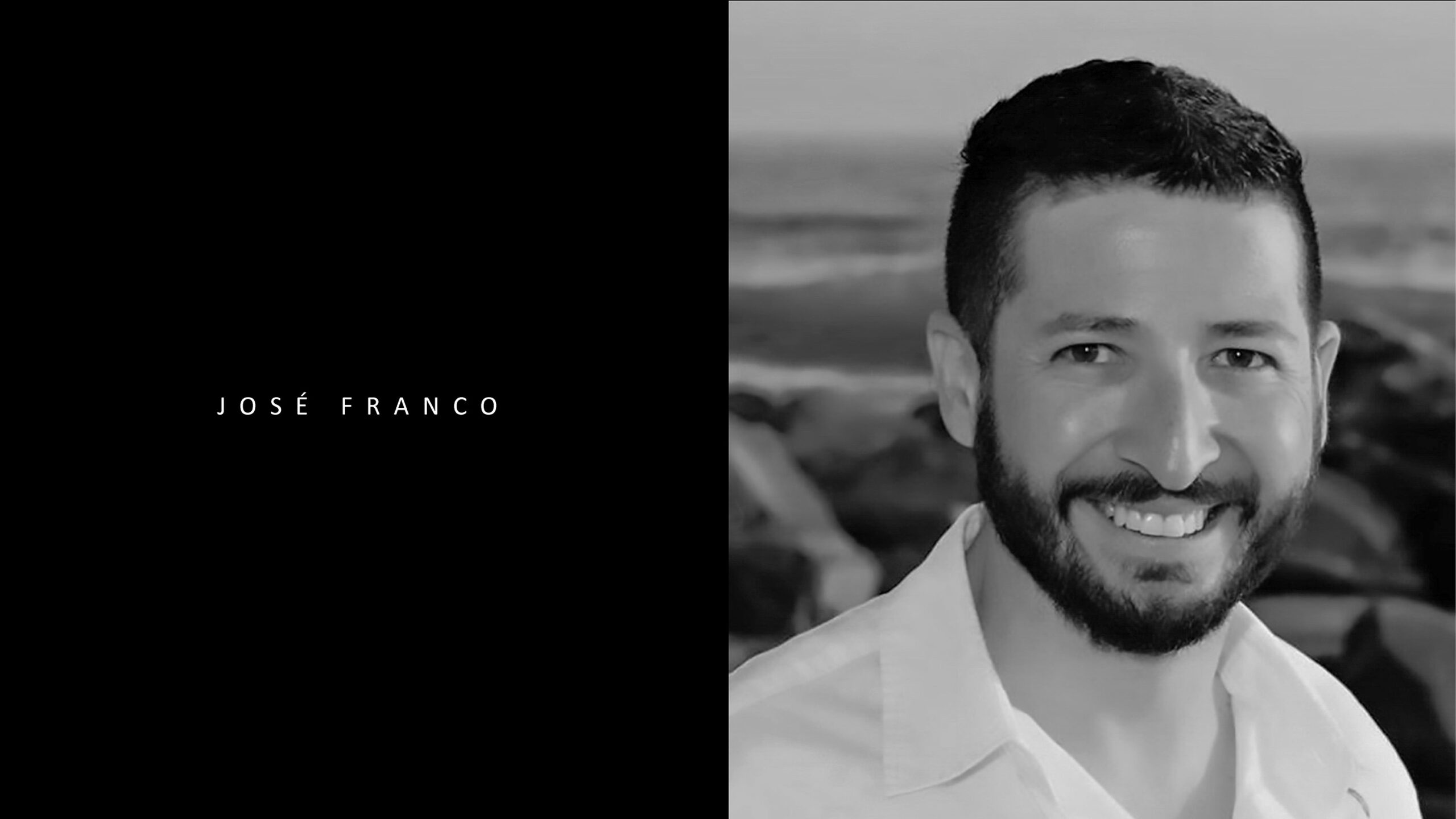
Dr. José Franco | Interviewed by Alex Díaz | Listen
I was fortunate to have interviewed Dr. José Franco, a passionate and driven Guatemalan immigrant who is also a math teacher here at UNF. It was truly eye-opening to hear him share stories about his extraordinary life. Most notably, while living in Guatemala, Dr. Franco discovered an innate drive to consume math knowledge while finishing fifth grade. His self-directed drive allowed him to learn linear equations as quickly as he started, surprising his friends and family. He describes how he accomplished this by himself ––he photocopied every textbook he could get from school despite limited access to educational materials in Guatemala. Although his family encouraged him to try to become an engineer, Dr. Franco opted for math; this brought him to the United States to continue his studies. He described his choice by saying that it stems from his love for what he does. His words truly stuck with me as an invaluable learning experience. Thanks to the Voces y Caras project, Dr. Franco’s story is a testament to how pursuing one’s passion can lead to greatness and achievement, which is a valuable lesson for anyone.
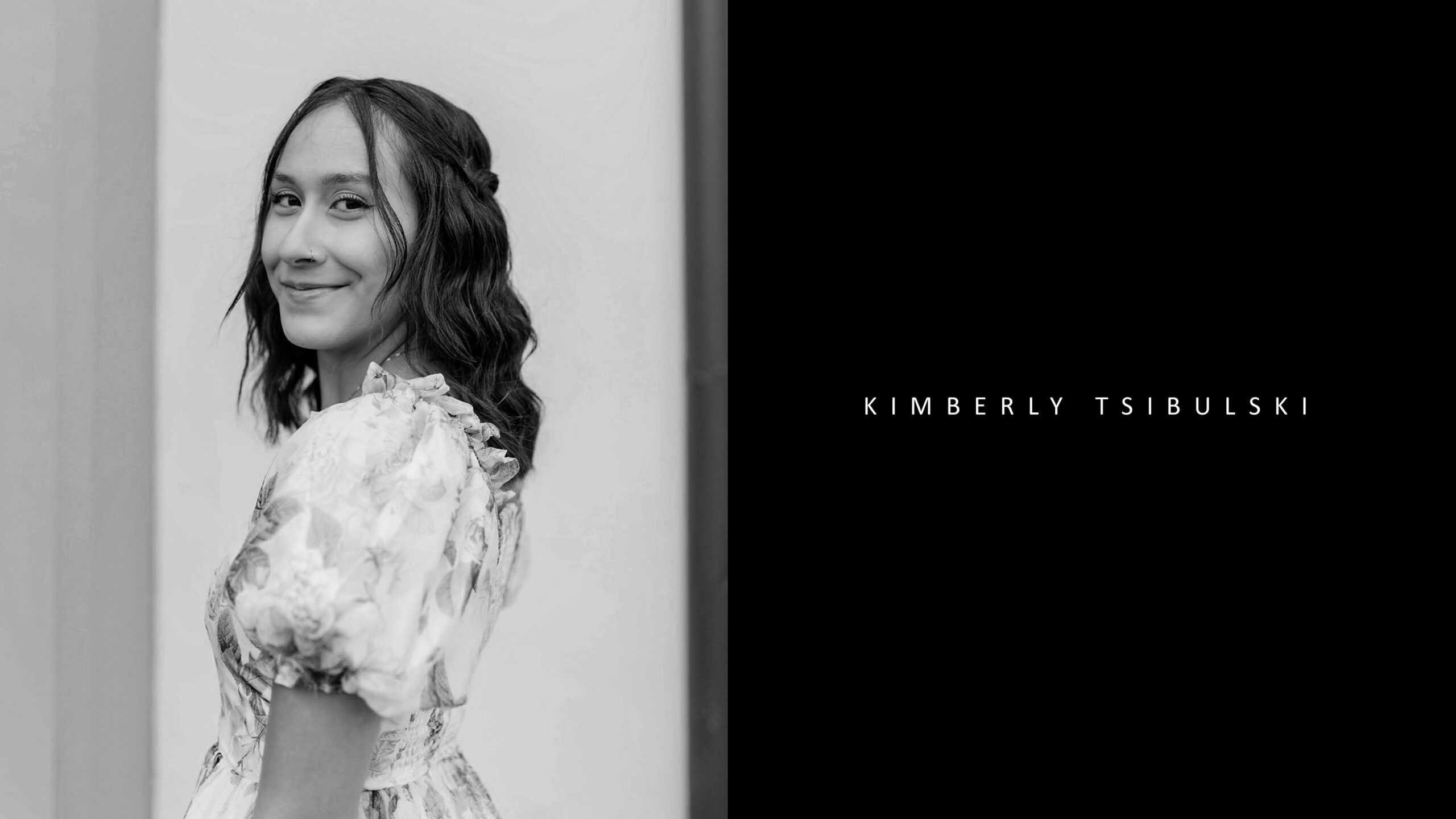
Kimberly Tsibulski | Interviewed by Silvia Adamo | Listen
I chose to interview my best friend Kimberly Tsibulski, a young Colombian woman who left her country in 2019 to embark on a long journey and explore new places. After multiple experiences, she found a home in the United States and started her own family in Jacksonville, Florida. Kimberly first came to the U.S. through cultural programs, such as the U.S. Department of State Initiatives; Work and Travel, and the Au Pair program. In her interview, she discusses her different expectations before coming to the United States along with her reasonings that motivated her to leave her country. She also shares the lessons she has learned, what she misses most about Colombia, and what she likes now about her life in Jacksonville. She also advises those who want to migrate to the United States from Latin America. This interview is a great way to remember that there is no perfect country and that the key to being content is finding value in what we have at the moment, in the people around us, and in working with the resources we have been given, rather than living a life where we are constantly criticizing where we are and focusing on what we don’t have, wishing for something better. Kimberly is immensely proud of her country and Colombian identity and is very grateful to share her experiences here in the U.S.
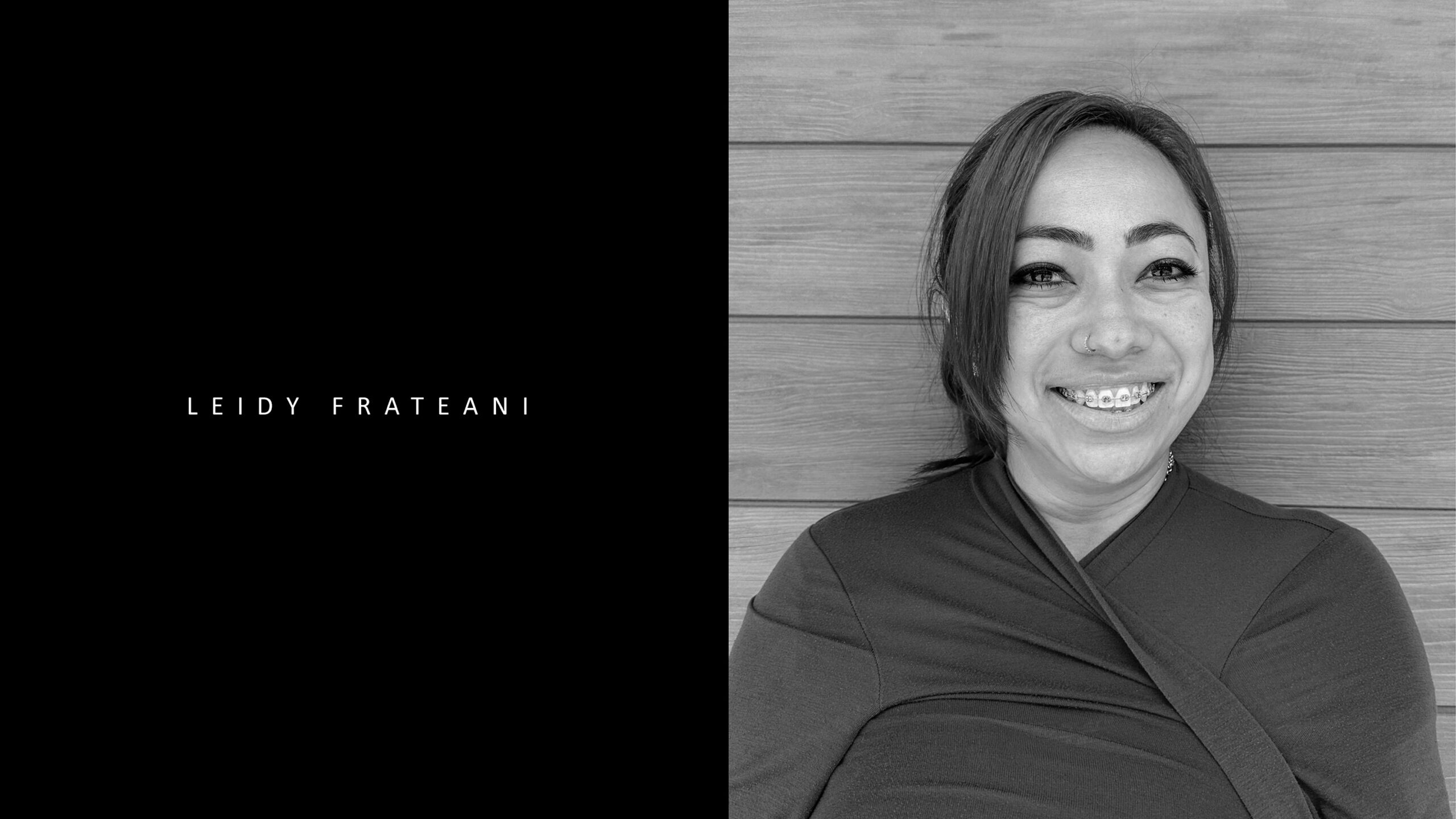
Leidy Frateani | Interviewed by Abigaíl Calejo | Listen
I chose to interview someone who has impacted my life, my coworker, Leidy Frateani. She is someone who has helped me improve my Spanish throughout the year. She and I work together in our classroom. We teach two-year-olds and she is an excellent teacher. In class, sometimes she needs help speaking English and I need help with my Spanish. She sometimes has difficulty understanding when I speak in English, so we mainly speak in Spanish in class. Teaching with her is my favorite part of the day. She is a sweet and amazing woman who loves her country. In our interview, she talked about her family dynamics, her life in Colombia, and her culture. She enjoys cooking and spending time with her family. I learned that there is much more than meets the eye. We are both Latinas, but we have very different backgrounds, and it's amazing to learn about each other's pasts.
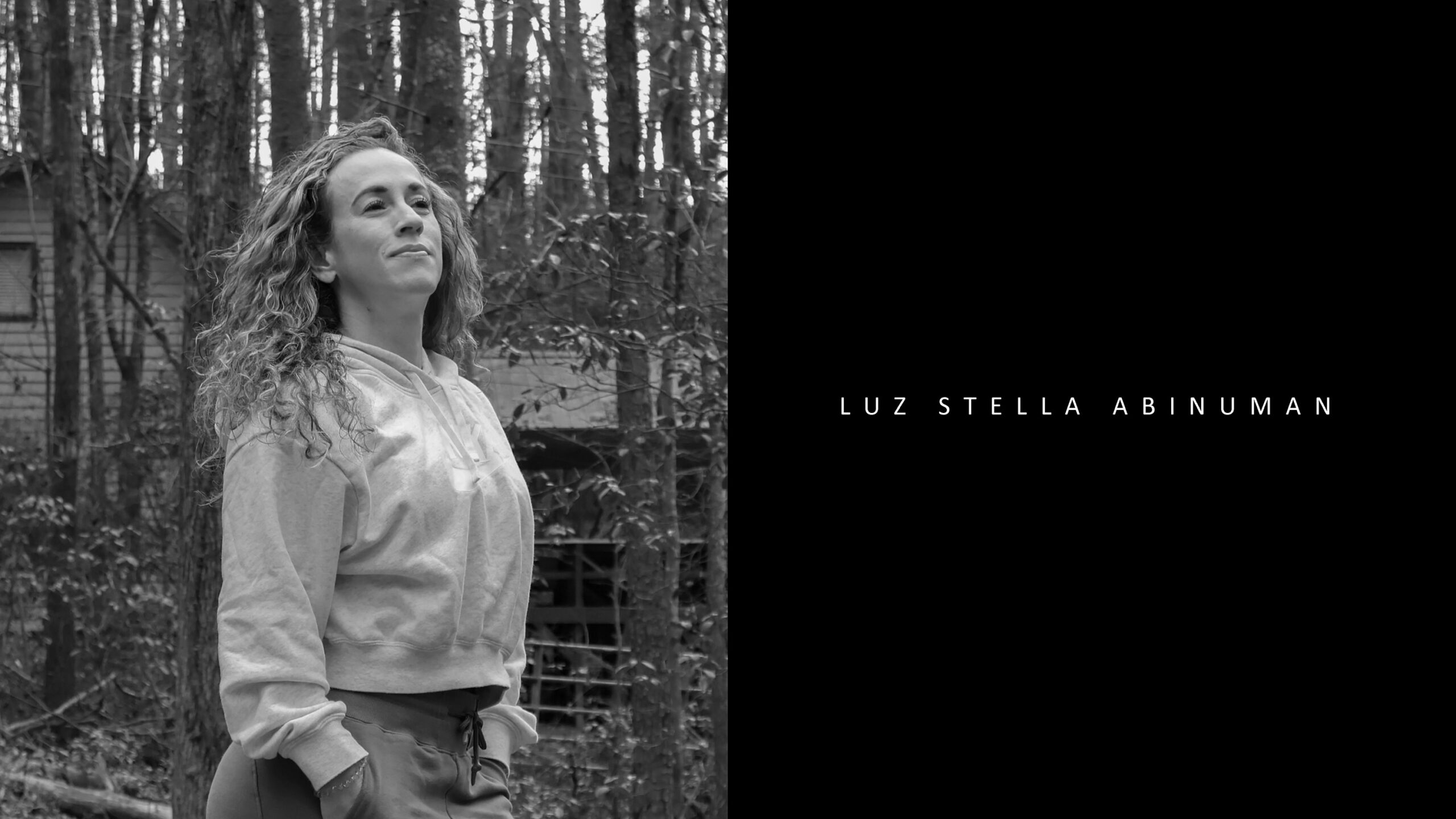
Luz Stella Abinuman | Interviewed by Mars Abinuman | Listen
I had the pleasure of interviewing Luz Stella Abinuman. She is from Cali, Colombia, and has lived in Jacksonville, Florida since she was eighteen. I am very proud to get to call her my mother and learn more about her youth, and what drove her to choose her current career. While in Colombia, she grew up with a big family and was the youngest of four siblings. Leaving her country, on her own, at a young age, was a difficult decision, but she says she doesn't regret a thing. She met my father shortly after moving to the United States and they have been supporting each other since. My mother is a personal trainer and wellness coach and has recently received her pro card after working very hard for it. Becoming a bodybuilder and choosing that as a career was something she never saw herself pursuing, but it is something she takes great pride in. As she states, "It takes a great amount of dedication." She is very grateful to her husband -my father- and her family, in general, for all the support they have given her. She is also thankful for the opportunities she has received since moving to Florida and especially for being able to encourage others in the Latino community to get involved with fitness. She believes anything is possible with hard work and dedication; which she encourages us to do as much as possible.
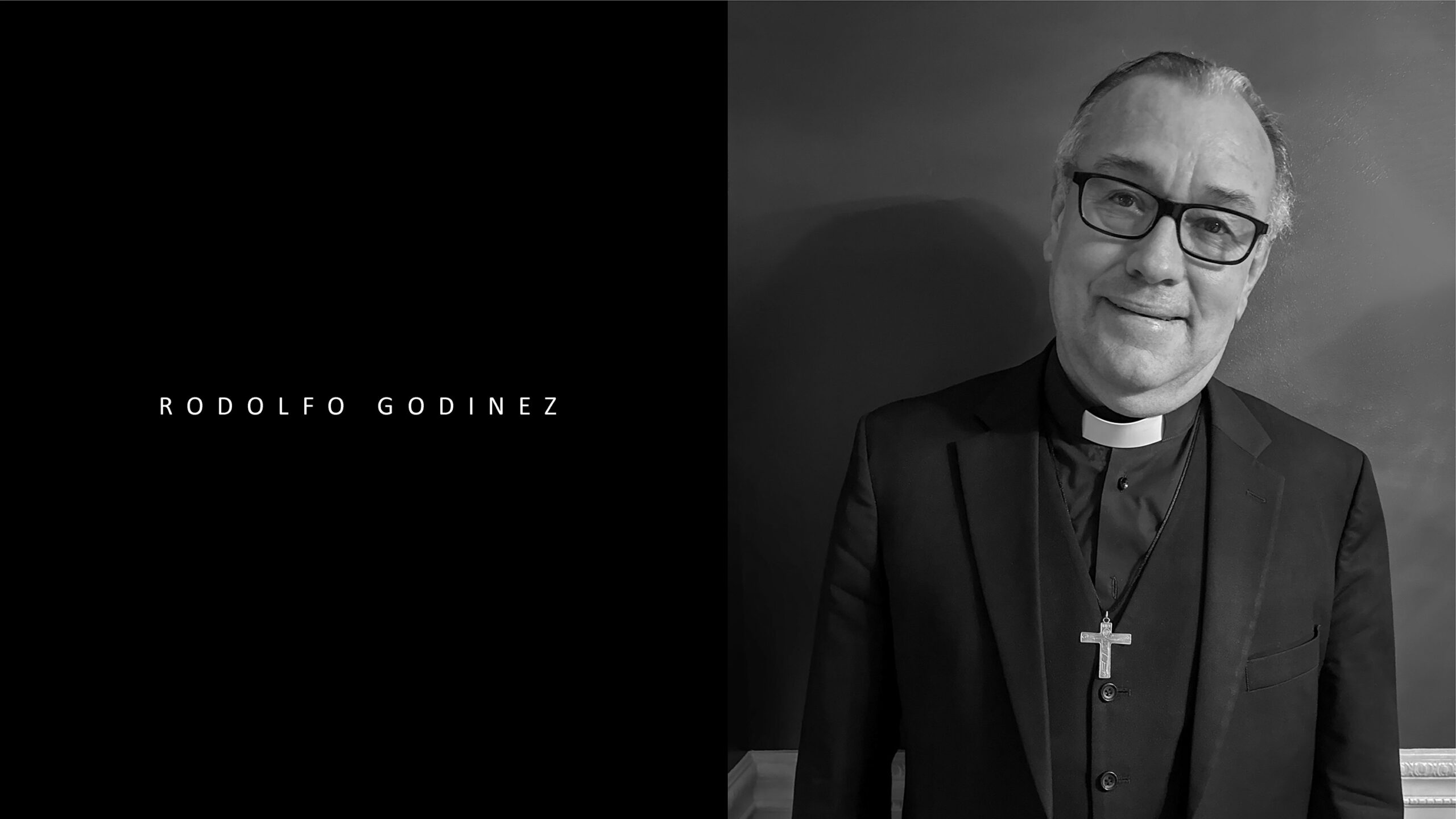
Reverend Rodolfo Godínez | Interviewed by Michelle Gallegos Rangel | Listen
I chose to interview a priest from my parish, Reverend Rodolfo Godínez, born in Michoacán, México in 1960. My parents have known him for many years. He was the priest who baptized me when I was little and he has been in my life for many years since then. He was ordained as a priest on June 22, 1991, and has had the opportunity to work in several countries including Cuba, Italy, and the United States. In the interview, he mentions that he speaks several languages, loves to travel, and wants to visit many more countries. Father Godínez recounted his childhood experiences in México, growing up in a large family, celebrating with the community, and the rich traditions and festivities. He was also trained as a teacher and enjoys sharing his time with the community and teaching people. He spends his time not only with the Spanish speakers from his parish but also with Brazilians and people from other nationalities. He additionally enjoys partaking in giving mass in many languages. He is excited about working with young people and visiting the sick and elderly in his community. Father Godínez is a tireless worker, a joyful person who loves what he does and shares with others with affection and good humor.
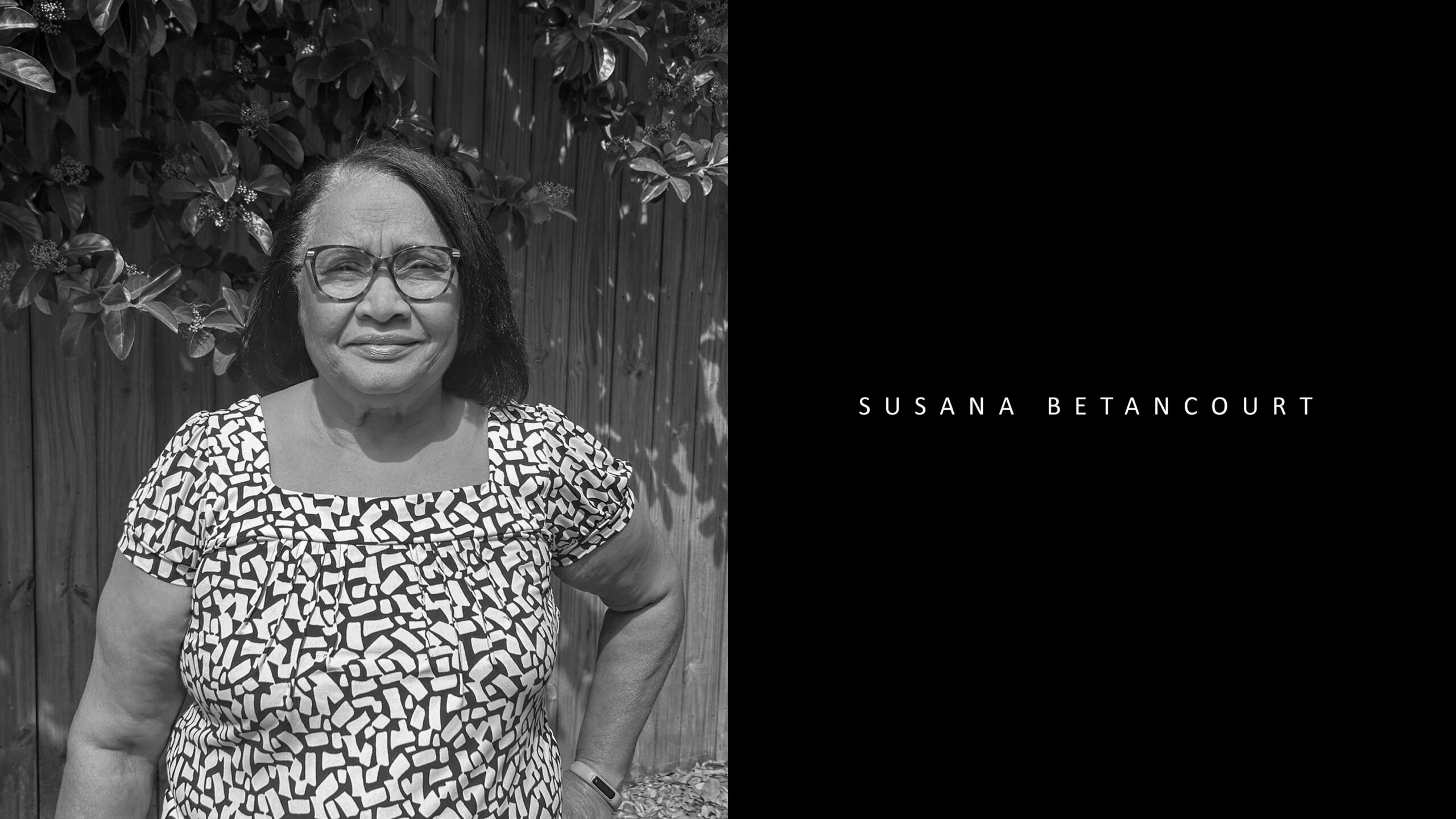
Susana Betancourt | Interviewed by Nicole Florimón Betancourt | Listen
I had the pleasure of interviewing my grandmother, Susana Betancourt, from the Dominican Republic. In the interview, she shares her experiences and life in the countryside, at El Seibo, during her childhood and adolescence. She told me about her mother, her sacrifices, and how hard-working she was. My grandma and her siblings grew up very poor and were raised by their grandmother because their mother worked long hours. Throughout our conversation, she commented on the importance of family and staying close to the people you care about. School was not a privilege for her, as she had to work most of her life, even while raising her four children. She recollected that she dreamed of becoming a seamstress and helping others, however, she had limited opportunities.
My grandmother had to migrate and live in different places; first, she moved to Puerto Rico, then to Grand Rapids, Michigan, and finally settled in Jacksonville, Florida. She speaks, in a very emotional way, about having to move so much and the many hardships she experienced here in the United States, including her battle with breast cancer and the long and difficult process of obtaining her citizenship despite not knowing any English. Her strength, drive, and faith in God allowed her to succeed. This interview ends with a beautiful monologue about never giving up on one's goals, dreams, and aspirations. She gives me advice about working hard, putting my faith in God, and trusting myself to achieve my goals. My grandmother's story is beautiful and inspiring and has taught me to never give up no matter what life throws at me.
