

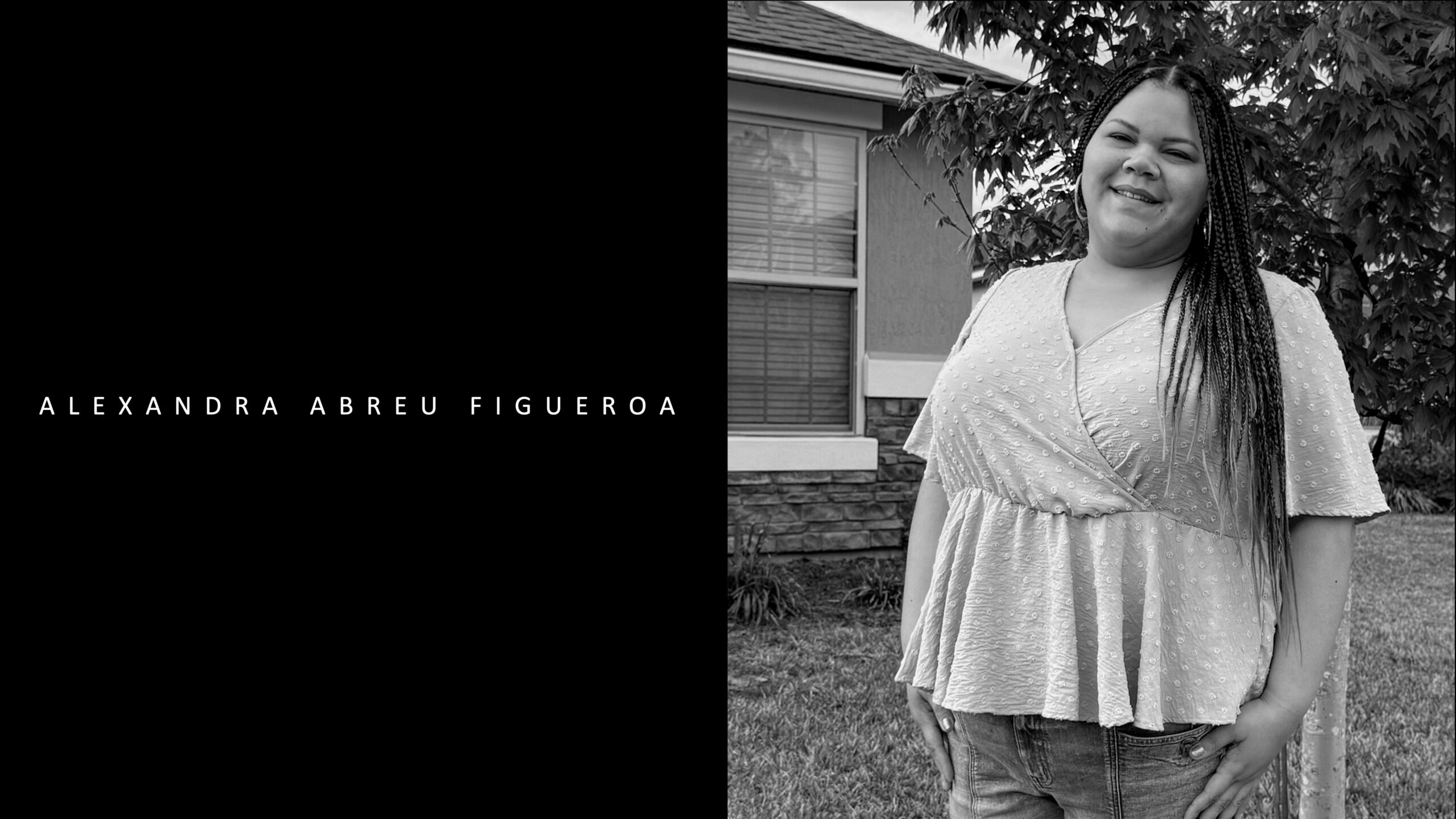
Alexandra Abreu Figueroa | Interviewed by Norberto Román | Listen
I had the pleasure of interviewing my niece, Alexandra Abreu Figueroa, a high school teacher in North Florida. She was born and raised in the beautiful town of Ceiba, Puerto Rico. When Alexandra was five years old, her mother decided to move to Jacksonville, Florida, due to the closure of the Roosevelt Roads Naval Base and its reorganization in Mayport, Florida. Alexandra attended the North Florida public school system throughout her childhood and youth. She attended Jacksonville University for her bachelor's degree and Columbia University in New York for her master's degree in arts and music. The support and guidance of her family were crucial to her success, and, as she explains, without them, she would not have been able to complete her education. She tells us more about her experience as a Latin American student in the United States, especially in North Florida. She teaches her favorite subject, music, at Orange Park High School. Her dedication to the well-being of her students, as well as her love and passion for music, are well known by her students, classmates, and colleagues. In this interview, she explains the importance of caring for students and advocates for taking advantage of available resources. She continues to excel as a person and professional, and as a Latina in North Florida, and her story is one of many examples of Latinos and professionals who have excelled in this area.
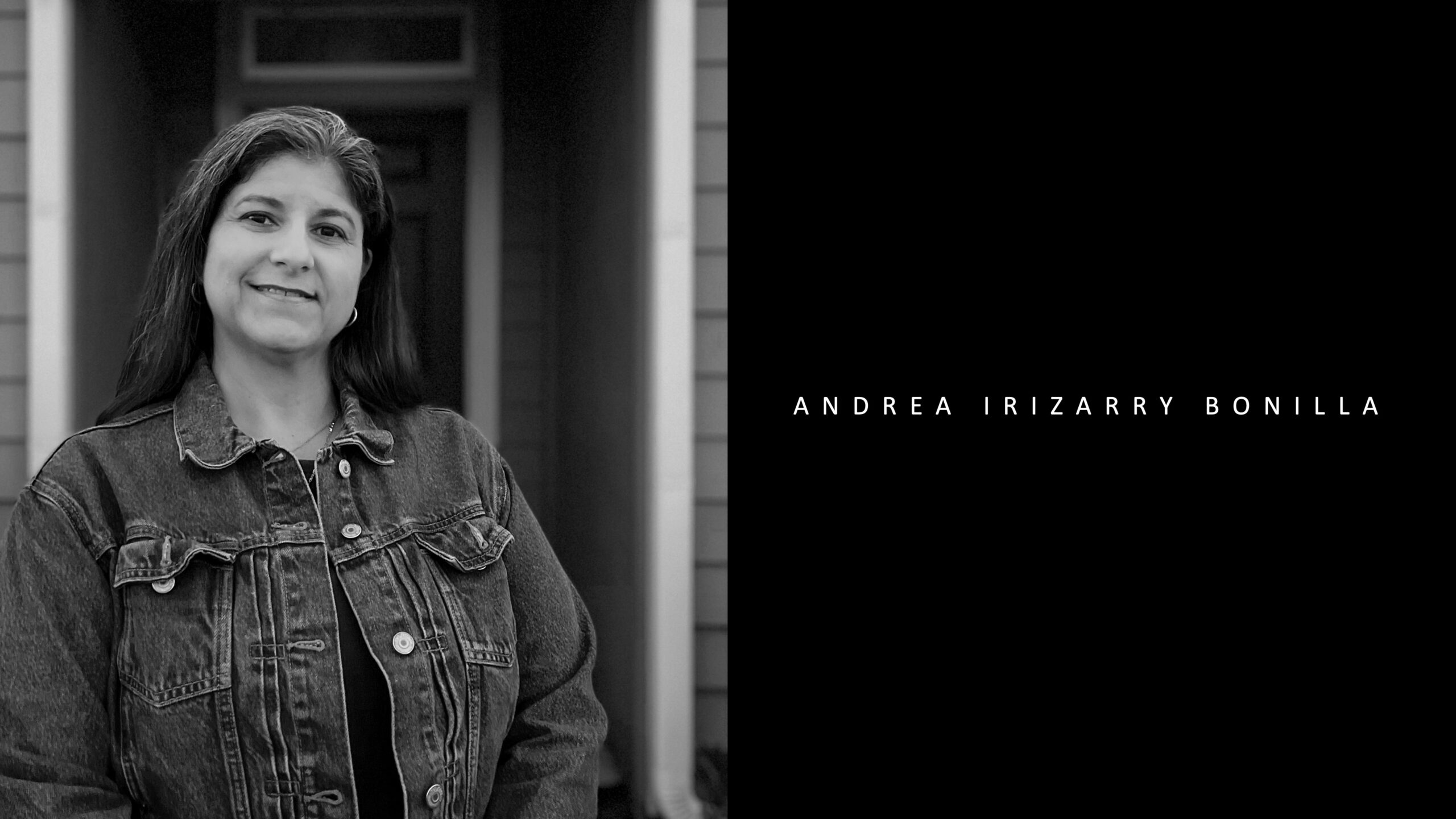
Andrea Irizarry Bonilla | Interviewed by Ariana Ocasio Irizarry | Listen
In this interview, my mother, Andrea Irizarry Bonilla, shares her experiences during her early years in rural Puerto Rico with her parents and six siblings. Now, she fondly recalls her childhood spent getting into mischief. She also reflects on her experience leaving Puerto Rico at sixteen to cross the Atlantic, hoping to fulfill her childhood dream of joining the Navy. Detailing how her dream of joining the Navy came true, my mother speaks of her love of other languages and the joy she finds in learning them. Throughout the interview, she attributes her perseverance and strength of character to the example of her late great-aunt, who took her in when she moved to New Jersey on her own. Her great-aunt was like a second mother to her and one of the most influential people in her life. Despite the hardships she faced early in her career, she had incredible professional opportunities that led her to realize her dreams. Although it's been 24 years since she retired, my mother looks back on her time in Sicily, where she worked as a firefighter at the naval base. She explains that the most treasured moments of her service were during those three years, living with local firefighters, learning the language and Italian cuisine. After retiring, she returned to Puerto Rico and lived there for 15 years while raising my sister and me. In 2018, following Hurricane Maria, the island was left without medical care, and she decided to return to Jacksonville to obtain health services for her mother and youngest daughter. Fortunately, with access to medical care, her mother has lived an excellent life since moving here. My mother hopes to return to Puerto Rico once my sister and I become independent and take our place in the world. One of the most meaningful moments of this interview was when I asked her what she would like her legacy to be. She told me: "My life example: do good to as many people as possible, live with love and respect, but above all, set limits, don't give yourself completely to others to the point of forgetting about yourself."
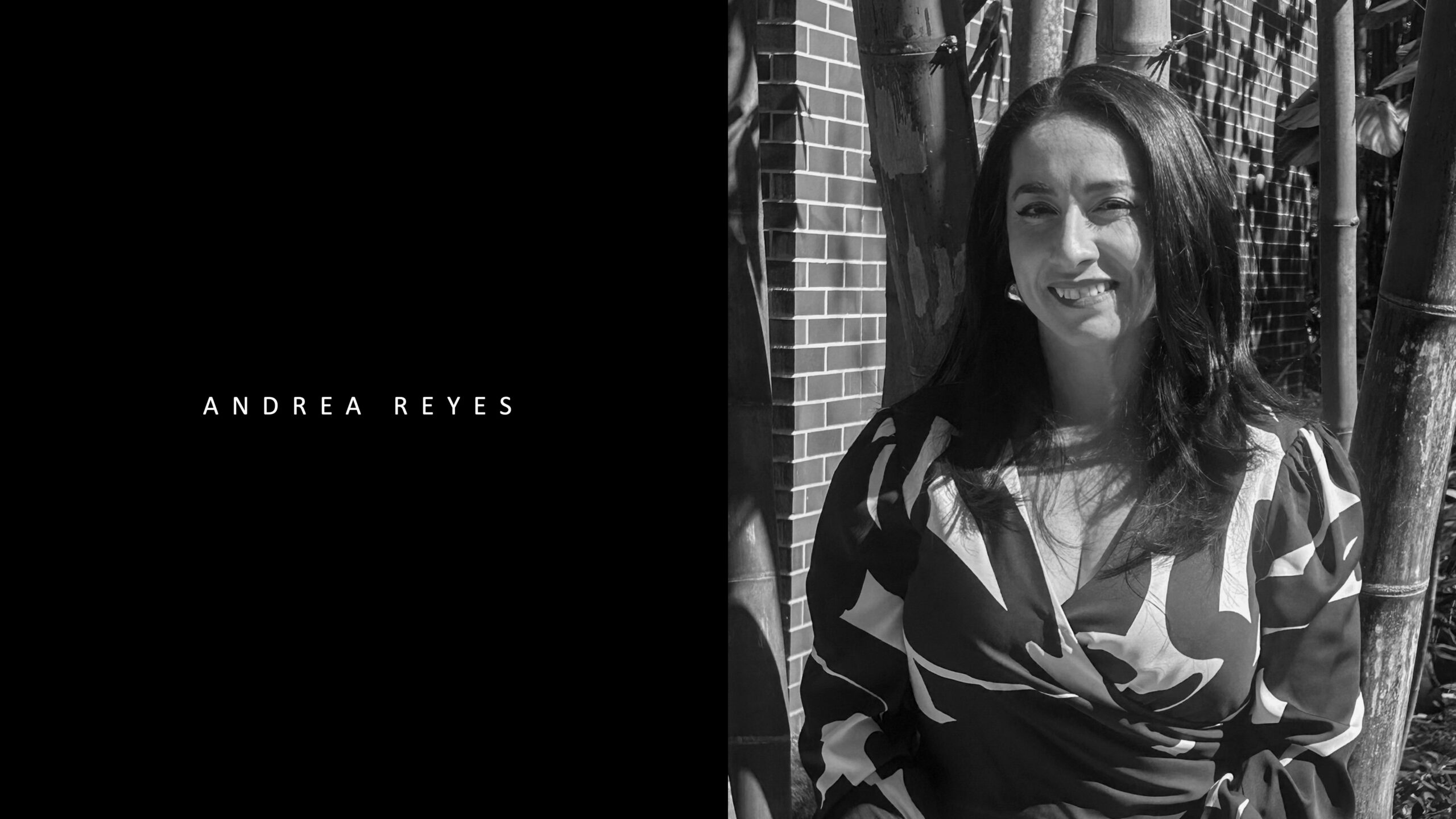
Attorney Andrea Reyes | Interviewed by Jhoudelka Dalexis | Listen
I had the opportunity to interview Andrea Reyes, a prominent immigration attorney based in Jacksonville, Florida. As someone who also comes from an immigrant background, our conversation was deeply personal and moving. Andrea's story is not only one of professional achievements but a testament to the power of empathy, resilience, and purpose.
From the beginning of her career, Andrea has been guided by a strong sense of justice and compassion. After graduating from Florida Coastal School of Law with a focus on immigration, she dedicated herself to helping others overcome the often overwhelming challenges of seeking a new life in the United States. Whether reuniting families, supporting asylum seekers, or advocating for policies based on humanity, Andrea approaches her work with heart and integrity.
What struck me most was her unwavering commitment to her mission. She not only serves her clients, but also connects with them. She listens, understands, and advocates with genuine care. As someone who knows what it's like to carry the weight of leaving one home in search of another, I saw in her work a reflection of the kind of world I hope to help build: one where people are seen, supported, and empowered to thrive.
I may not be on the same career path, but Andrea's story left an indelible mark on me. Her unwavering commitment to others, her ability to lead with strength and compassion, and her devotion to the community are deeply inspiring. She reminded me that there are many ways to make an impact, and that living with empathy and purpose is one of the most powerful. Andrea Reyes is more than a lawyer; she is a light for many: an advocate, a voice, and a symbol of hope for those who need it most.
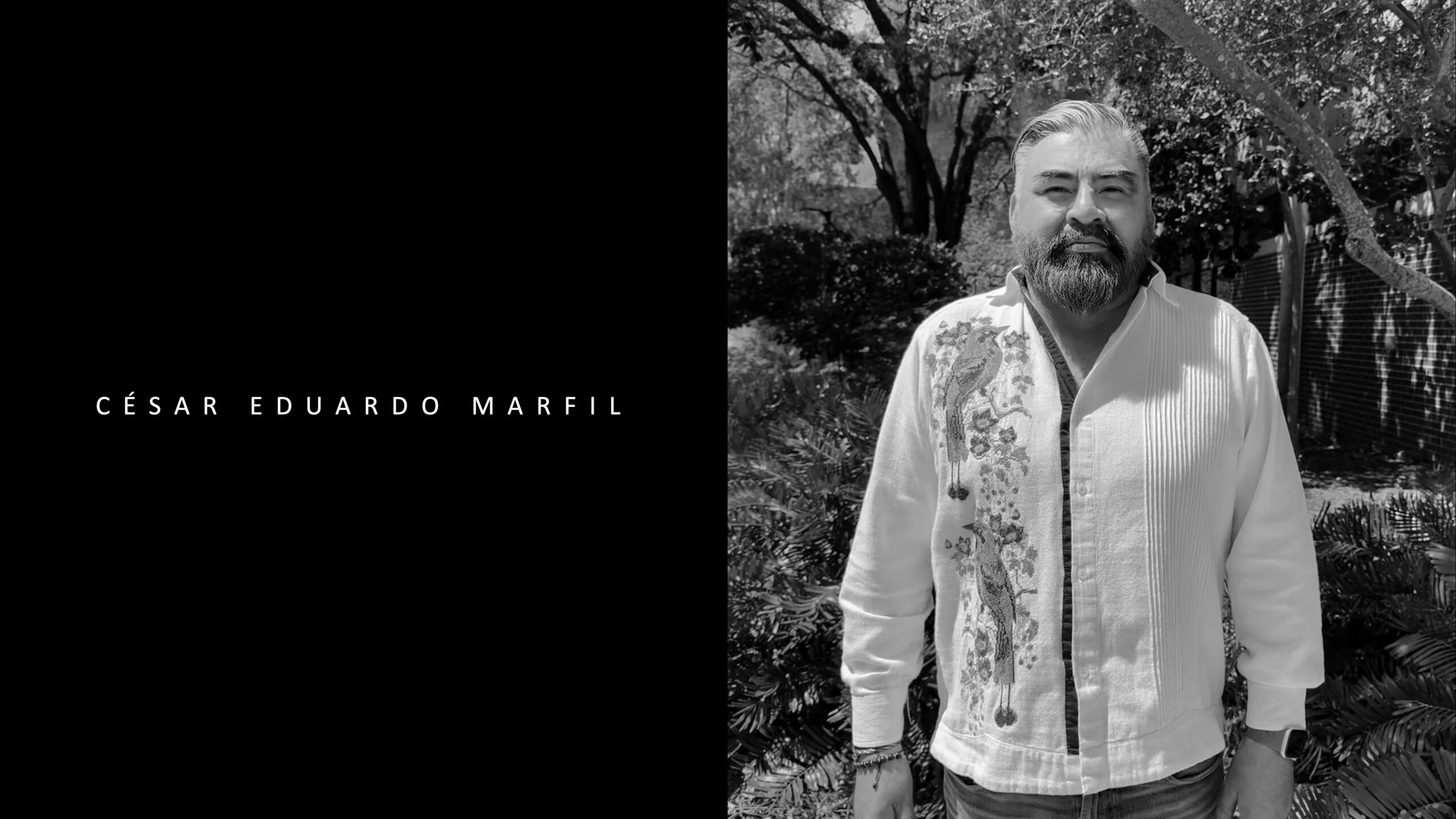 César Eduardo Marfil | Interviewed by Jacqueline González | Listen
I had the honor of interviewing César Eduardo Marfil, a Mexican community leader and cultural event organizer in Jacksonville. He has dedicated his time to empowering the Latino community through festivals, educational events, and as the founder of Casa México Jacksonville. His mission is not only to preserve culture but also to create a sense of belonging in North Florida. César recounts his experiences leaving home, starting over, and feeling "neither from here nor from there." That phrase resonated with me because it put into words the sentiment many immigrants and children of immigrants also feel. His move from Alabama to Jacksonville opened his eyes to something new and made him realize that the Latino community in Jacksonville was more fragmented, with everyone clinging to their own culture. He saw the need for unity and worked to create events and spaces where Latinos of all backgrounds could come together, celebrate, and support one another. His work isn't just about representing Mexicans; it's about strengthening the entire Latino community. When I asked him what advice he would give to other immigrants like him, César said, "Learn English. Don't say you don't need it. Find a reason." I was amazed by his sincerity. It reminds us that growth can begin with simple intention and motivation, and that language can be a powerful tool for empowerment. César's story taught me that resilience isn't just about surviving; it's about building something better for others. His courage and humility inspired me to continue supporting my community and using my voice to make others feel valued.
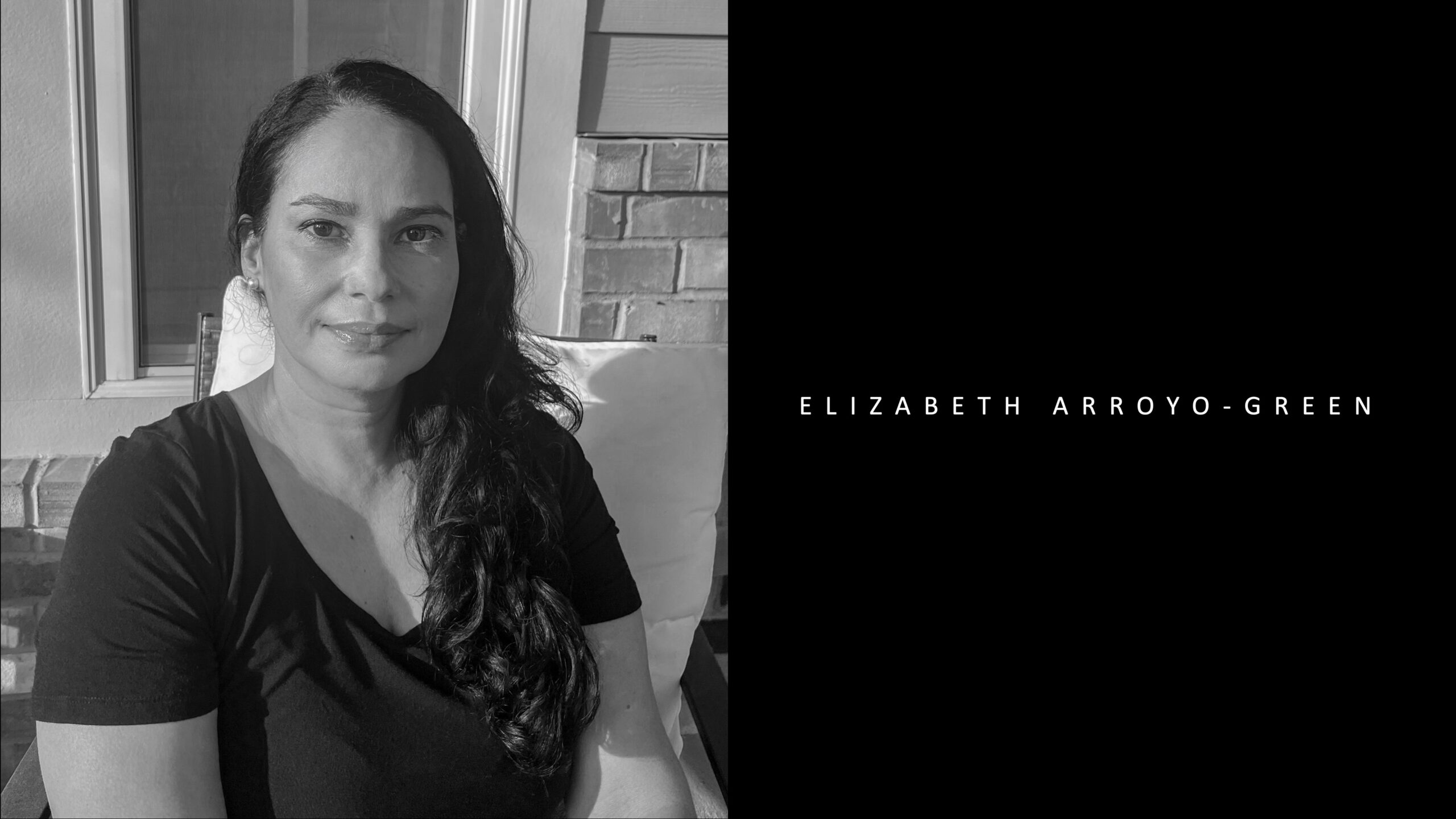
Elizabeth Arroyo-Green | Interviewed by Victoria Green | Listen
I chose to interview my mom, Elizabeth Arroyo-Green, because she is an incredibly inspiring person to me. As a Latina nurse, my mom has faced many challenges that make her success even more admirable. She moved to the United States with her parents and brother with very little, carrying only her dreams and determination. She had to navigate a completely new culture, language, and system, all while she and my dad supported each other and their firstborn. What is most inspiring about my mom is the way she worked hard no matter what. Even while attending nursing school, she never gave up. She balanced school, family, and the pressures of being a minority with such grace and determination. I can't imagine how difficult it must have been to juggle those responsibilities, yet she did it all and still succeeded. She is now a nurse who not only helps support our family, but also takes care of others, which is something I deeply admire. Her story has always motivated me to push through my own challenges, especially when things get tough. Seeing her overcome obstacles with such resilience and strength has shaped my own values and aspirations. By choosing to interview my mom, I wanted to celebrate her journey and share her story, not just because she is my mom, but because her experiences are a testament to hard work, perseverance, and the power of pursuing one’s dreams despite the odds. Her life has shown me that anything is possible with dedication and love.
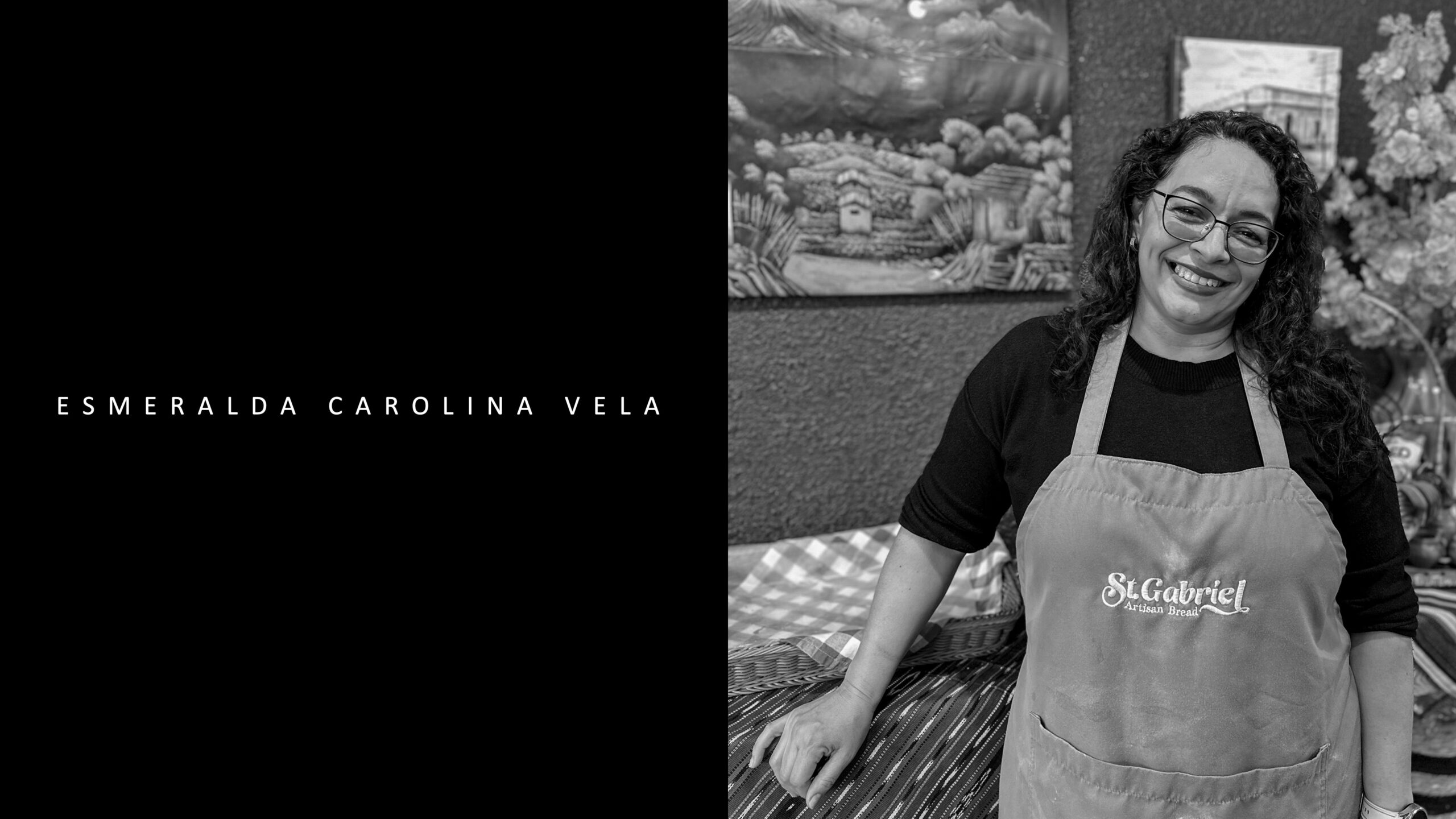
Esmeralda Carolina Vela | Interviewed by Dania Castillo García | Listen
I had the privilege of interviewing Esmeralda Carolina Vela, mostly known and preferred as Carol Vela, an inspiring immigrant from Guatemala whose journey exemplifies resilience and determination. Carol shared the motivations that led her to the United States and the strategies guiding her business and personal life. Her story is one of relentless perseverance and a refusal to settle for less, always seeking alternatives in adversity. Carol spoke passionately about the importance of teamwork within her family, emphasizing the unique roles each member plays. Together with her sons—Donny, Sebastian, and Rodrigo—and her husband, Kevin, they form a perfect team driving their collective success. Donny is the family chef; Sebastian recently graduated in Graphic Design from UNF; and Rodrigo is pursuing Accounting, while Kevin manages the administrative side of the family business. The importance of family and the values Carol has instilled in her children are central themes in her narrative. A notable aspect of our interview was Carol's emphasis on mental health, a topic not often prioritized in Hispanic communities. Her insights were refreshing and innovative, highlighting her belief in the power of a positive mindset and the courage to face life's challenges. Carol's journey was not without struggles—growing up in a household marked by conflict due to her father's drinking. At 16, she married in hopes of creating a better environment, but found herself in a similarly dysfunctional situation. Despite this, she refused to let these obstacles hold her back. Carol’s entrepreneurial spirit was influenced by her mother and grandmother, both enterprising women. She found strength in her role as a mother, determined to provide a better future for her family. Her successful bakery, originally a Guatemalan establishment, is evolving into a more multicultural bakery, serving clients from various backgrounds. However, Carol remains committed to honoring her roots, ensuring the bakery retains its Guatemalan essence, and hopes it will always be remembered as the first Guatemalan bakery in the area. Her unwavering faith in God and commitment to perseverance and teamwork are central to her outlook on life. Carol’s story is a powerful reminder of what can be achieved with determination, faith, and a supportive family. Her journey is one of hope and inspiration, offering valuable lessons on resilience and the endless possibilities when one refuses to give up.
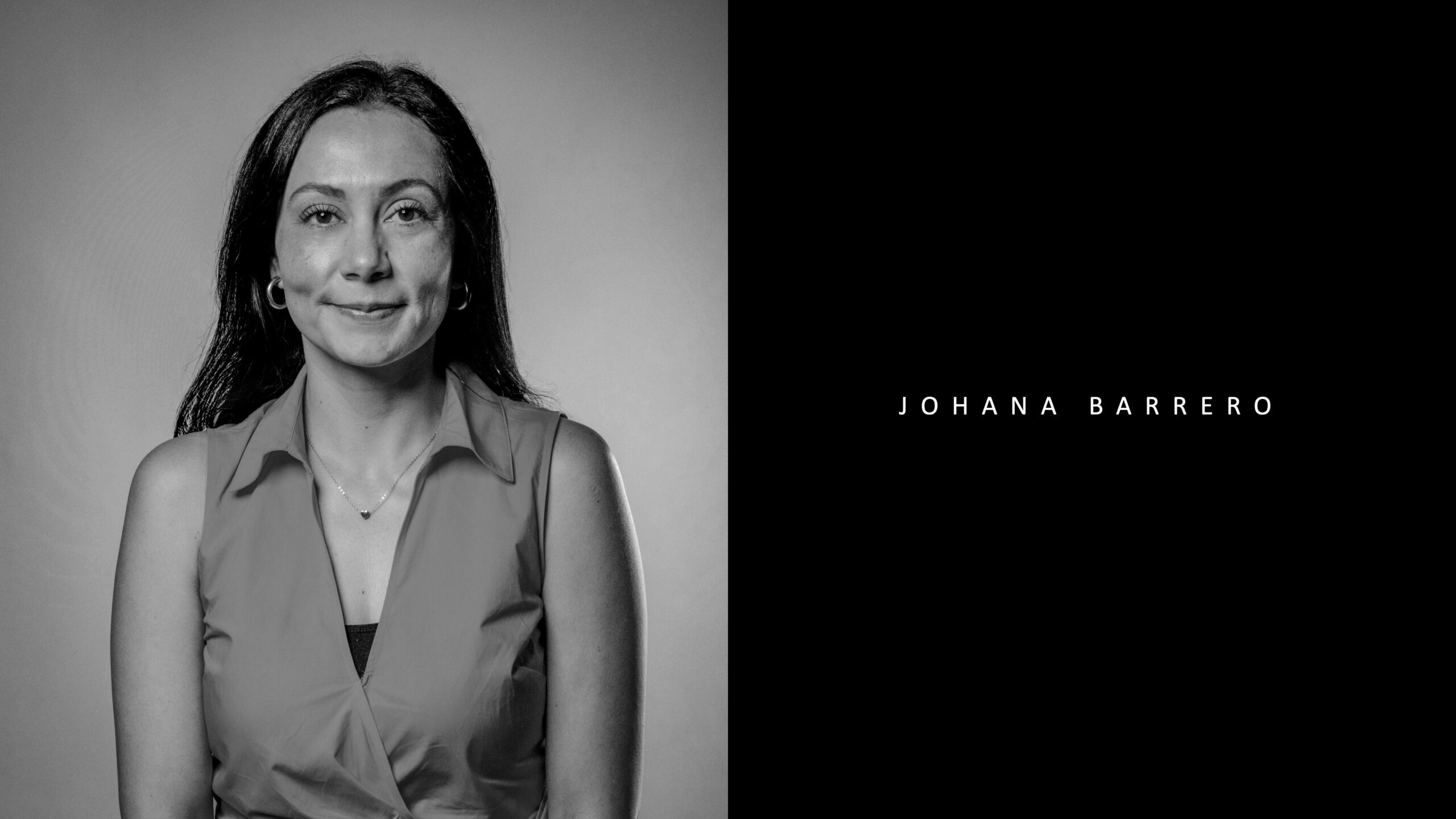
Dr. Johana Barrero | Interviewed by Grace-Frances Gibson | Listen
I conducted the long-awaited interview with Dr. Johana Barrero, as she had been invited previously to interview for Voces y Caras but had declined until now. Dr. Barrero is a Spanish professor at UNF, known for her classes about Latin American literature and indigenous communities in Latin America. She grew up in Bogotá, Colombia, and studied at Universidad del Rosario. She decided to move to the US after her bachelor’s degree because of the political conflict in Colombia at that time, applying to Purdue University for her master’s in Latin American Literature. She goes on to complete her master’s and doctoral degrees at Purdue University, studying alongside her husband. Johana recounts the story of her first time visiting the United States when she was 16, seeing snow in Washington, Pennsylvania, and not knowing any English.
She reflects on her identity after having spent the same amount of time in Colombia as the United States as of right now with the famous ‘ni de aquí ni de allá’ phrase fitting her current situation. She would like to move back to Colombia at some point in the future, but to a rural area… not the large, busy capital she calls her hometown.
Dr. Barrero, at my request, gave me a few opinion-based lists on which three countries in Latin America she would most like to visit and her top three writers or works that have come out of Latin America, including Rayuela, Jorge Luis Borges, and Laura Restrepo. She teaches classes about indigenous communities in Latin America and talks about her own background and connection to the Chibcha or Muisca community in Colombia. I enjoyed my time with Dr. Barrero, and I hope she continues to share her story, as it is definitely one worth sharing.
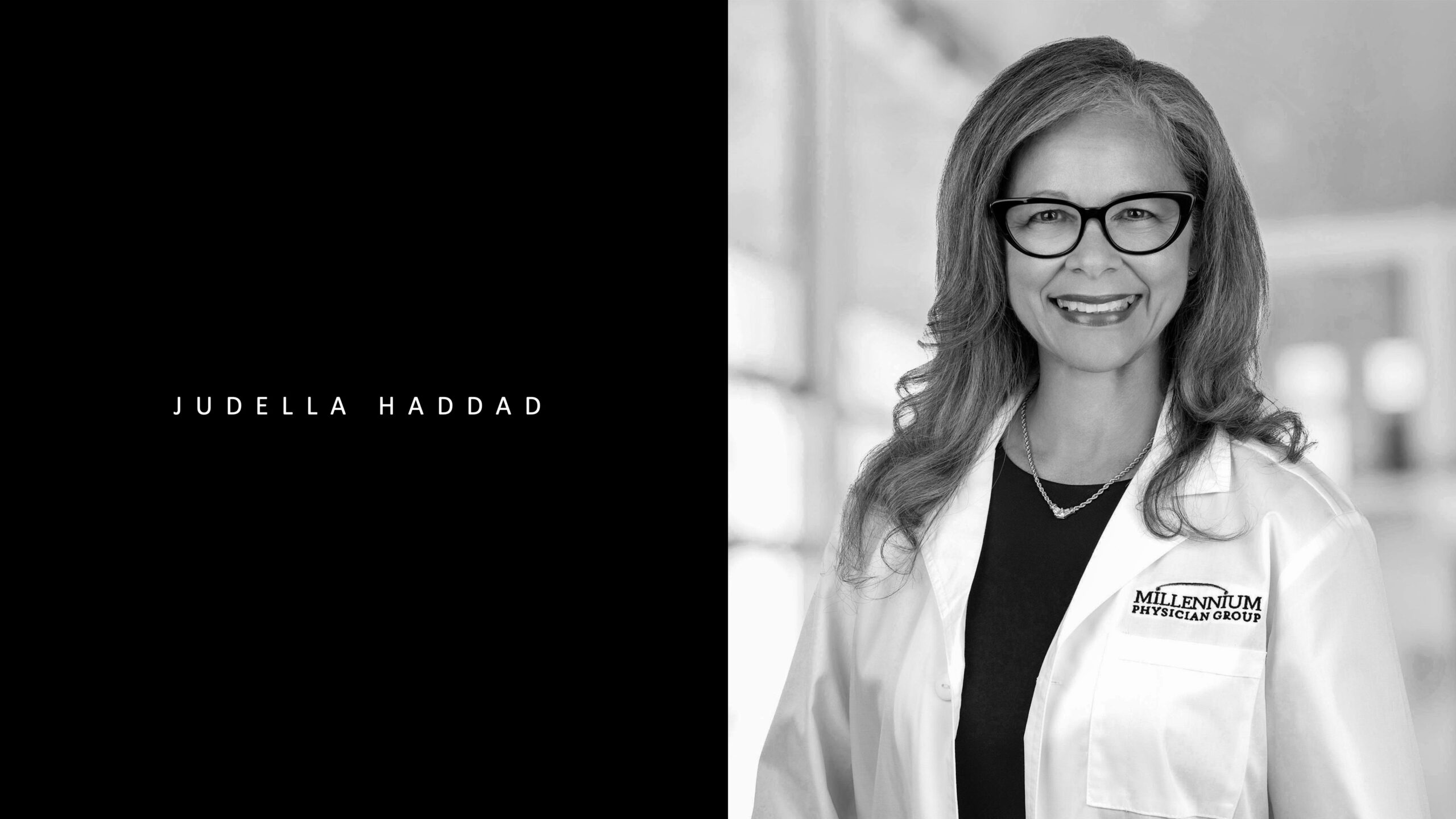
Dr. Judella Haddad | Interviewed by Rosa Acosta | Listen
In this interview, Rosa Acosta speaks with Dr. Judella Haddad, a family physician who has lived in the United States for 34 years. Originally from Aruba, Dr. Haddad moved to the United States with her husband, who is also a physician, and completed her residency in Jacksonville, Florida. She shares that she enjoys tennis, photography, traveling, yoga, and exploring new cultures and cuisine, reflecting her appreciation for life beyond work and her desire to stay connected to her Caribbean roots. Dr. Haddad tells us about her upbringing in Aruba, a Dutch colony where she spoke Dutch in school and Papiamento at home. She explains how, despite the limited career options for women on the island, she was determined to pursue a career path beyond traditional roles such as secretarial work or nursing. Influenced by her Boston-educated father and inspired by her family's value on education, she followed the tradition of seeking knowledge and opportunities abroad. Her journey in medicine began unexpectedly.
While studying diagnostic imaging in Gainesville, she identified a tumor on an X-ray. The dismissive response of a doctor, who ignored her observation, inspired her to become a physician. Despite having a 3.5 GPA, which was not competitive enough for American medical schools at the time. She persevered and continued her studies in the Dominican Republic, where she improved her Spanish and gained new cultural perspectives. Dr. Haddad adapted easily to different cultures and languages, studying in Colombia, the United States, and the Dominican Republic. Although she faced gender bias early in her career, including being looked down upon for being a woman in medicine, she persevered and eventually earned the respect she deserved. She emphasizes the importance of resilience and determination, especially for immigrants and women seeking careers in medicine. She believes immigrants bring valuable perspectives and experiences, enriching the healthcare system by understanding patients' diverse backgrounds and cultures. Dr. Haddad encourages aspiring physicians to stay focused, be patient, and view challenges as learning opportunities. Reflecting on her journey, she has no regrets; she sees each obstacle as a step toward growth and success. She concludes by encouraging others to embrace all experiences, both positive and negative, as part of a meaningful journey. Her story is an inspiring example of perseverance, adaptability, and the power of believing in oneself despite adversity.
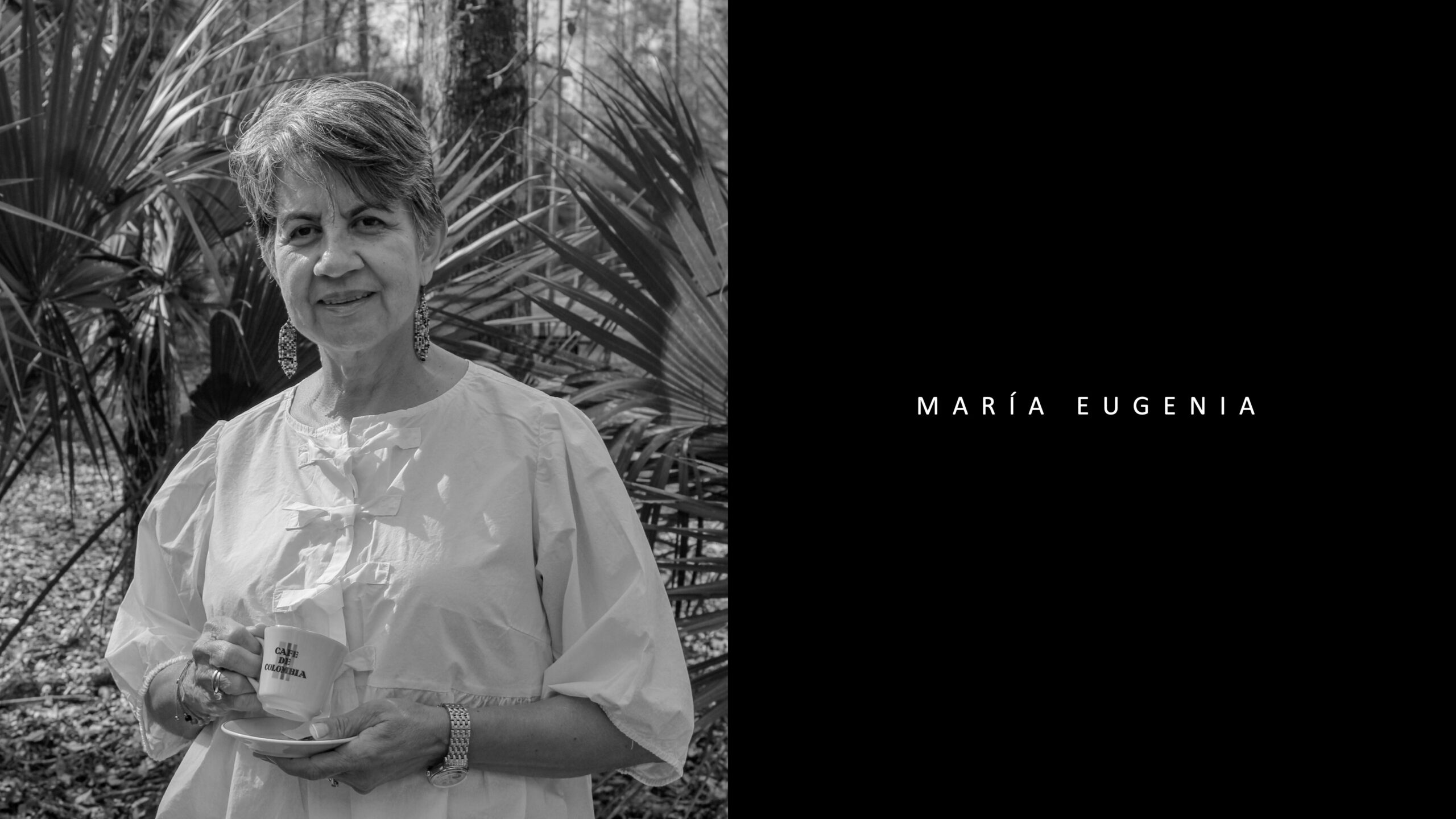
María Eugenia González Bolaños | Interviewed by Isabella Gallego | Listen
For this project, I had the opportunity to interview my grandmother, María Eugenia. She is 62 years old and currently works at Amazon as a packer. During the interview, she explained that while she’s grateful to have a job, it’s physically demanding; she spends ten hours a day on her feet, often leading to pain and fatigue. Despite the challenges, she continues to work hard and remains dedicated to her role. She also shared stories from her childhood, family traditions, and the community she was raised in. When we discussed her experience immigrating to the United States, she spoke about her difficulties, one of them being the death of one of her children. She became emotional; she didn’t go into depth, but you could tell it was something that brought her sadness. She then starts to talk about how it was to adapt to a new culture, learning a different language, and overcoming economic struggles. Throughout the interview, she talked about the cultural differences she experienced and the importance of staying connected to her roots. She worked hard to preserve her identity and values while adapting to a new environment. She emphasized how her background continues to influence her life today and gives her a strong sense of pride. Overall, the interview highlighted themes of resilience, cultural preservation, and immigration challenges. María Eugenia’s story reflects the strength and perseverance shared by many immigrants working to build new lives in the United States.
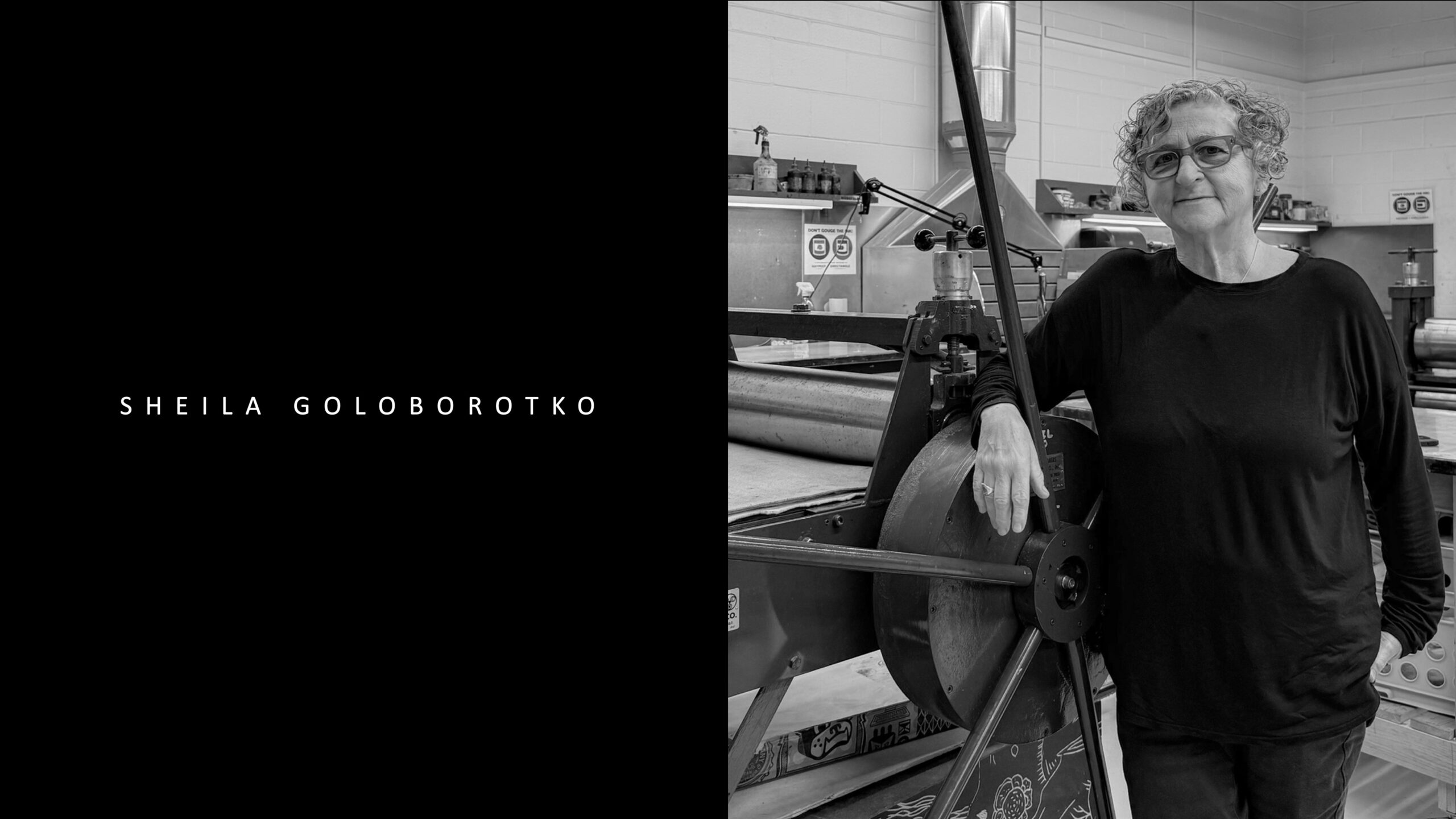
Sheila Goloborotko | Interviewed by Emily Chaves | Listen
Sheila Goloborotko is a professor of printmaking at the University of North Florida. She is a multidisciplinary artist and master printmaker who combines her artistry with community activism through an autoethnographic perspective to capture her ideas in her installations, prints, and more. Born in São Paulo, Brazil, Sheila grew up during the military dictatorship that lasted from 1964 to 1985. Coming from a family of Eastern European immigrants, she understood the power of community and expression from a very early age, both through her family dynamics and her attendance at progressive schools. After earning her Bachelor of Architecture from the University of Architecture and Urban Design in São Paulo, an artistic life became nearly impossible due to Brazil's economic situation. Sheila immigrated to New York and earned an MFA from Brooklyn College. In the interview, we discuss her experiences and how they have shaped her personal, academic, and professional life, her art serving as a testament to each period. We also talked about how to cope with being Latina, but not Hispanic, and how this affected her interpersonal relationships. Professor Goloborotko's advice to students, especially those who share one or more of her identities, is to "be honest and have the courage to be so, and work hard for what you want". As someone from a similar background, it is inspiring to see the spaces she currently holds and occupies, and how she gives hope to other Latinas, Brazilians, artists, women, and lesbians that we can achieve this.
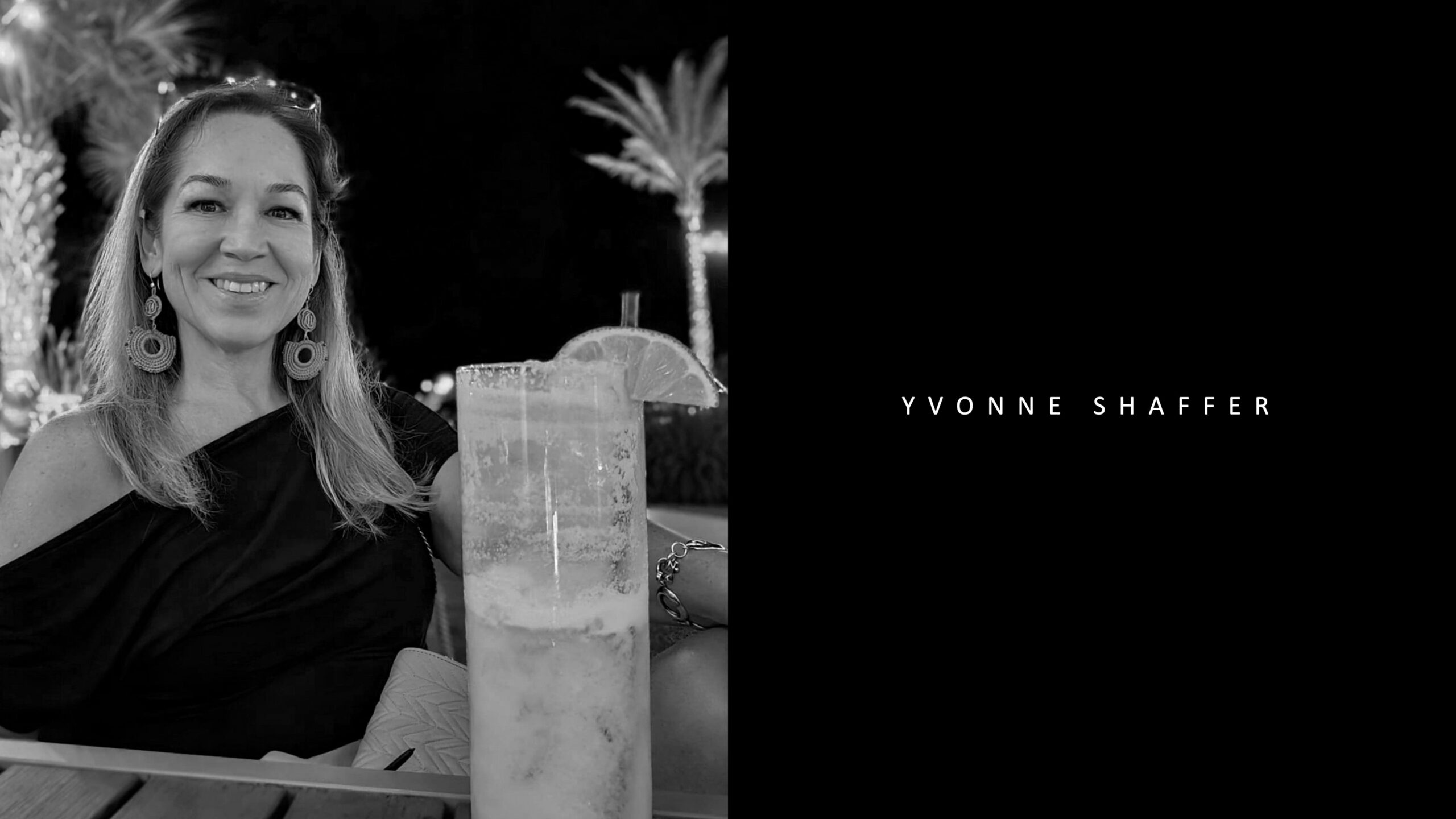
Yvonne Shaffer | Interviewed by Chantal Ureña Cordones | Listen
I interviewed Yvonne Shaffer, an immigrant from Peru. She currently works at Duval County Public Schools (DCPS), where she inspires others with her story. In her interview, she explains how, with determination and resilience, she overcame obstacles when coming to a new country. I was honored to interview someone with a strong voice, a powerful Latina who advocates for the rights of women and immigrants. Yvonne was a student at UNF and participated in the project, Voces y Caras, in 2019. It was meaningful to interview someone who had the same experiences as I; she took Dr. López’s class and completed the same project.
Before migrating to the United States, Ms. Shaffer was a publicist; she worked as a commercial producer and in sales. When she arrived in the United States, she didn't have documentation, so she wasn't able to use her degree from Peru. She also had to adjust from having a privileged life in her country and starting over in the U.S. without any family, and having to do everything herself. She never doubted that she would overcome the challenges. She worked selling tamales at a Mexican restaurant and also at a call center. After obtaining documentation, she started working at Citibank, and through her work there, she discovered her passion for education. She went back to school, obtained her degree in Spanish and Education, and eventually, she received the position she currently holds at DCPS.
Ms. Shaffer also speaks about how immigrants contribute to the United States. She also uses her voice as an example for immigrant women who have gone through the same or similar experiences. Her story serves as a powerful reminder of the challenges that many immigrant women face in pursuit of a better life.
