
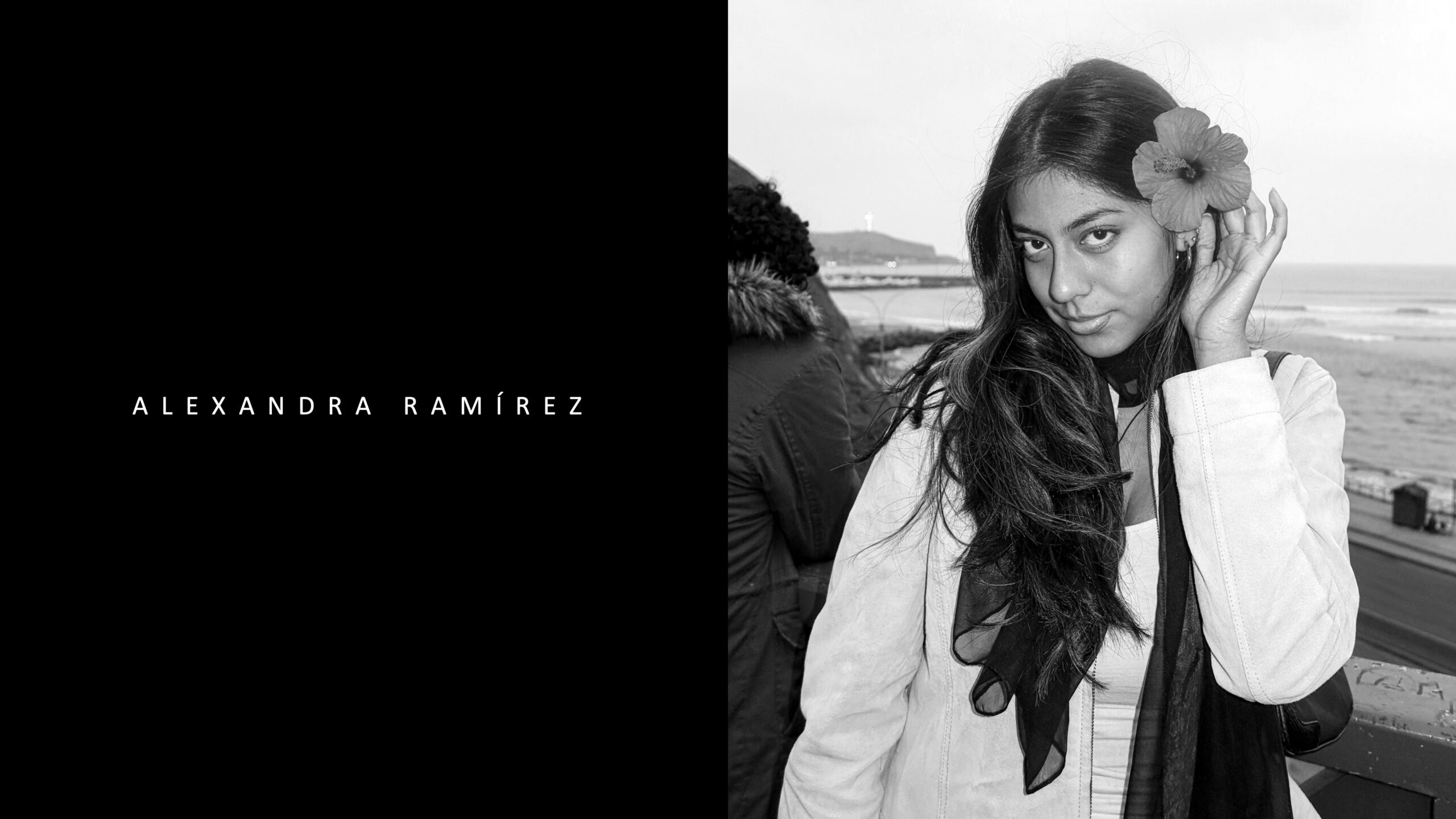
Alexandra Carolina Ramírez | Interviewed by Ann Raíces | Listen
I had the pleasure of interviewing my friend, Alex Carolina Rivera, a student here at the University of North Florida. As someone who has also felt torn between two countries, I found the opportunity to hear Alex's story an emotional experience. Born in Jacksonville, Florida, Alex moved to Perú when she was three years old. After living in Perú for about fifteen years, she moved back to Florida to begin her college journey as a pre-med undergraduate. As a member of Alpha Chi Omega, Alex details her experience as a proud Peruvian and the challenges of adapting to a new, foreign environment.
She states the ways she and her family have continued to treasure their Peruvian roots; from finding a place of belonging alongside other Hispanics to enjoying a plate of authentic Peruvian food, Alex highlights the importance of staying true to yourself and your roots. As someone who has experienced similar struggles, I found our conversation a refreshing reminder of how important our roots are and the significant impact they have on us as young adults. Alex's story and her experience being one of the very few Hispanic women in her sorority reflect her fierce yet confident personality and her determination to do the right thing, no matter the societal pressure. As Alex continues her path in the medical field at the University of North Florida, her story serves as an inspiration to young Hispanic women who struggle with inclusion and their identity.
Hearing her story impacted me personally, allowing me to connect with her even more. Alex's story is a great reminder of how our identities grow and change over time. She serves as a role model to those who struggle with balancing their cultural identity and navigating places where Latinx individuals are underrepresented.
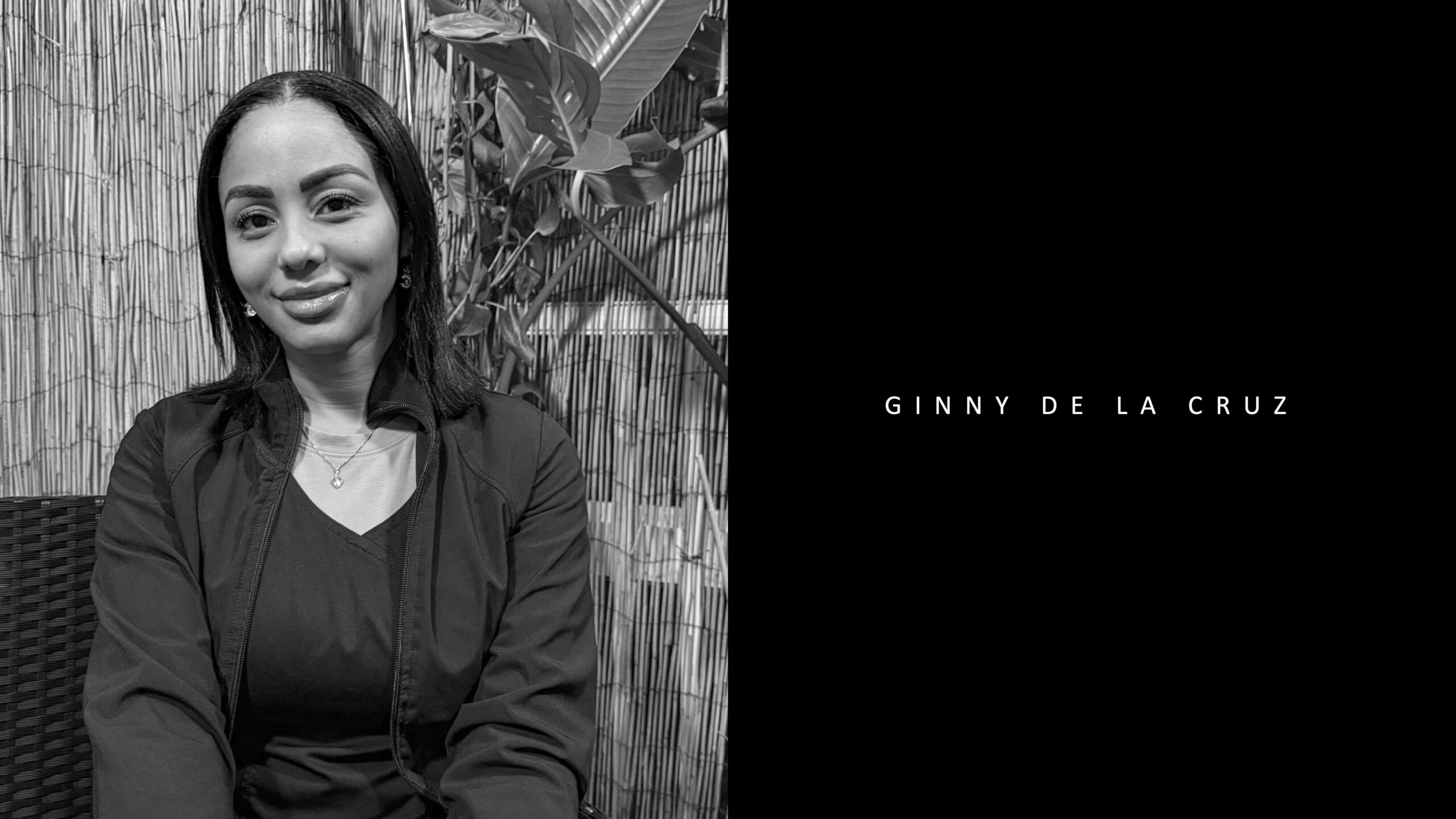
Ginny De La Cruz | Interviewed by Virginia Arias-Ysabel | Listen
I had the pleasure and opportunity to interview my sister, Ginny De La Cruz. She migrated to the United States from the Dominican Republic at just 15 years old. Leaving her home country was not her decision, but her father’s, as he sought better opportunities for her.
Adjusting to a new country was far from easy. Like many immigrants, she experienced culture shock as she began to settle into the new environment. She lived with her father and stepmother for a few years until she became old enough to work full-time and become independent. Ginny faced language barriers, had to adapt to a different culture, and eventually navigated life as a single mother. She recalls moments of isolation and anxiety during that time. Despite these challenges, she remained committed to building a better life for herself and her son. She tells her story of seeking job opportunities in the medical field and the barriers she faced along the way. As a single immigrant mother, she faced many hardships, yet she persevered and became an essential worker, playing a vital role in the healthcare system, inspiring community members to see their own potential to contribute.
When I asked her for advice for young adults who want to enter the medical field, especially nursing, she said, “Do it because you love it, not just for the title.” Her story exemplifies perseverance and passion, showing that dedication can overcome obstacles like language barriers and systemic challenges. I found this very meaningful, as becoming a health professional is not easy, and those only driven by status will lose motivation quickly. Ginny’s journey is both unique and inspiring, standing as a powerful example of resilience, ambition, and unwavering commitment to healthcare.
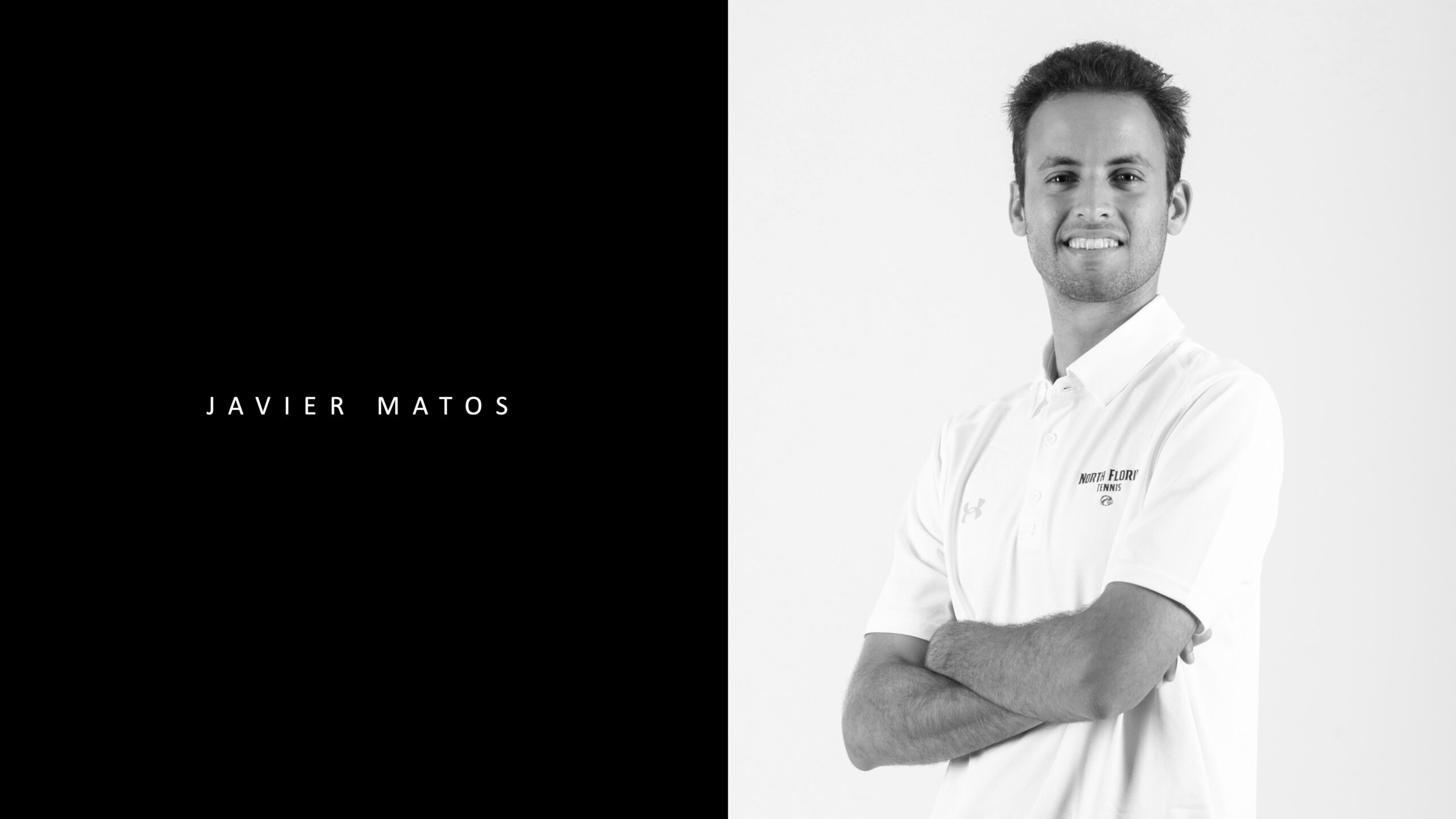
Javier Matos | Interviewed by Nicole Alfaro | Listen
I had the pleasure of interviewing Javier Matos, a Venezuelan immigrant who is currently an assistant coach for the men’s tennis team at the University of North Florida. In this interview, Javier shared his journey as both a high-performance athlete and a professional, explaining how his decisions during his college career shaped his success today. Originally from Caracas, Venezuela, Javier grew up in a hardworking family and developed a deep love for his country, which remains an essential part of his identity.
From a very young age, Javier showed a passion for tennis that has continued to grow, leading him to compete across South America, Central America, and Europe. His dedication and discipline opened doors for him to pursue collegiate tennis in the United States, where he played at Presbyterian College from 2021 to 2024 and earned All-Big South honors throughout his career. His athletic and academic journey eventually led him into coaching, where he now contributes to the success of the UNF men’s tennis program.
Beyond his achievements, this interview allowed me to understand Javier more deeply. He spoke about his family in Venezuela and the strong emotional connection he maintains with them and his homeland. He also shared personal experiences about the political situation in Venezuela and how those moments affected his life as an immigrant.
What made this interview especially meaningful was how relatable his story felt to me. As a fellow international student and athlete, I connected with his journey and gained a new perspective on our shared Latin American roots. Javier is not only a successful athlete and coach but also a humble, joyful, and inspiring individual whose story reflects resilience, identity, and passion.
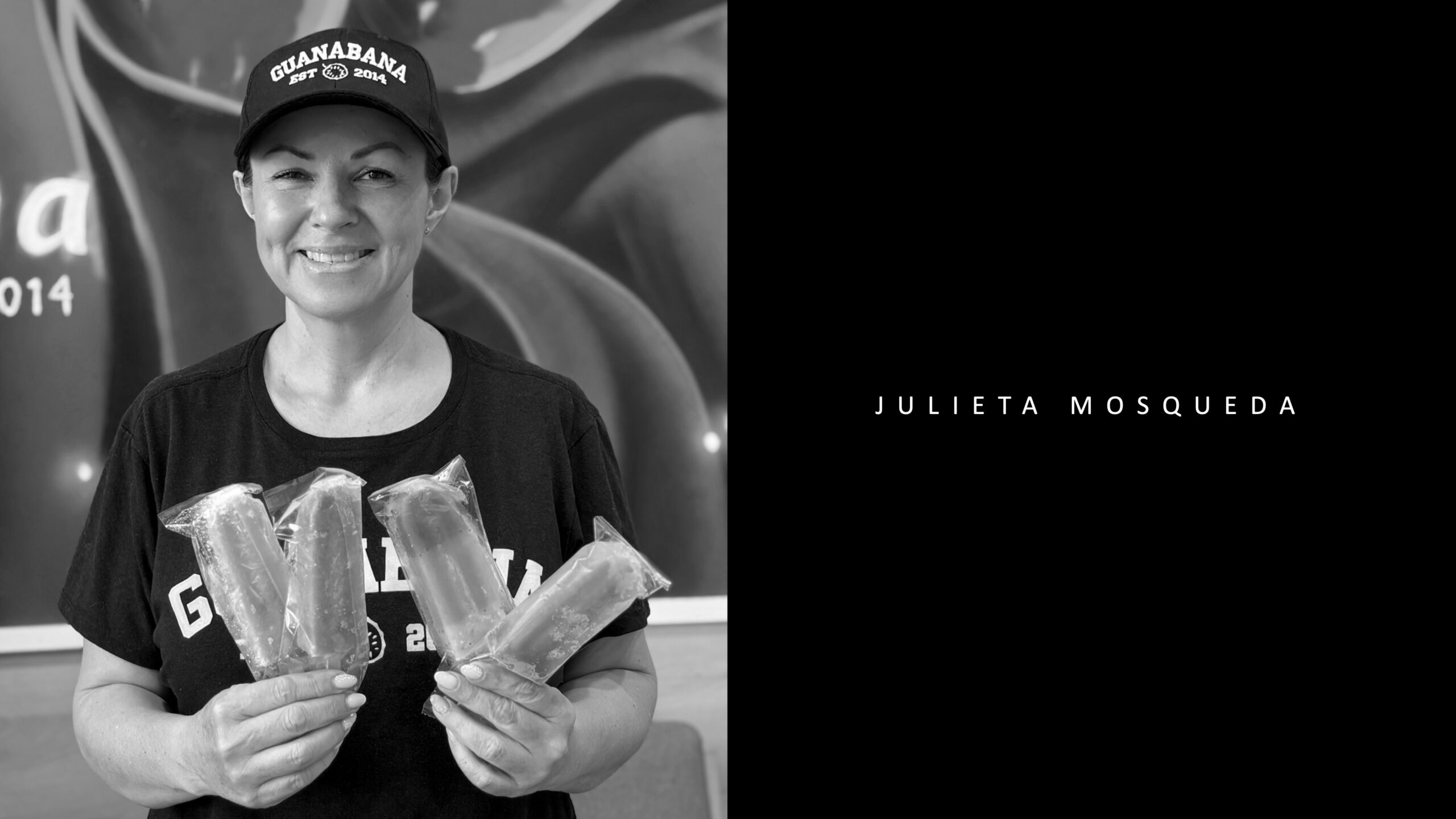
Julieta Mosqueda | Interviewed by Alma Cruz Morillo | Listen
In this interview, Julieta Mosqueda, the co-owner of Guanabana Jax, shares her journey of building a business from the ground up alongside her husband, Oliver Mosqueda. Julieta is originally from Colombia, and her husband is from Venezuela. In this interview, she reflects on how their cultural backgrounds shaped not only their lives but also the identity of their business. Her story shows that success didn’t happen all at once, but through patience, consistency, and a willingness to keep going. Julieta explains that many of their recipes come from childhood memories, especially the natural fruits and desserts from her country.
During the interview, she shared a story about recreating a coconut-flavored treat that reminded her of her childhood, and how she repeated the recipe over and over until it felt just right. That moment really stood out to me because it shows how personal and emotional their business is. It's not just about selling food, but about sharing a piece of home. Julieta shares the challenges of representing Latin culture in the United States. And how it can feel intimidating at times, but she expresses a strong sense of pride in seeing others try and enjoy their flavors. Her advice to other Latinos is to keep pushing forward even when things feel slow or difficult. Looking ahead, Julieta hopes to expand Guanábana by opening more locations and eventually creating franchises. Overall, this interview highlights resilience, culture, and the importance of staying true to your roots.
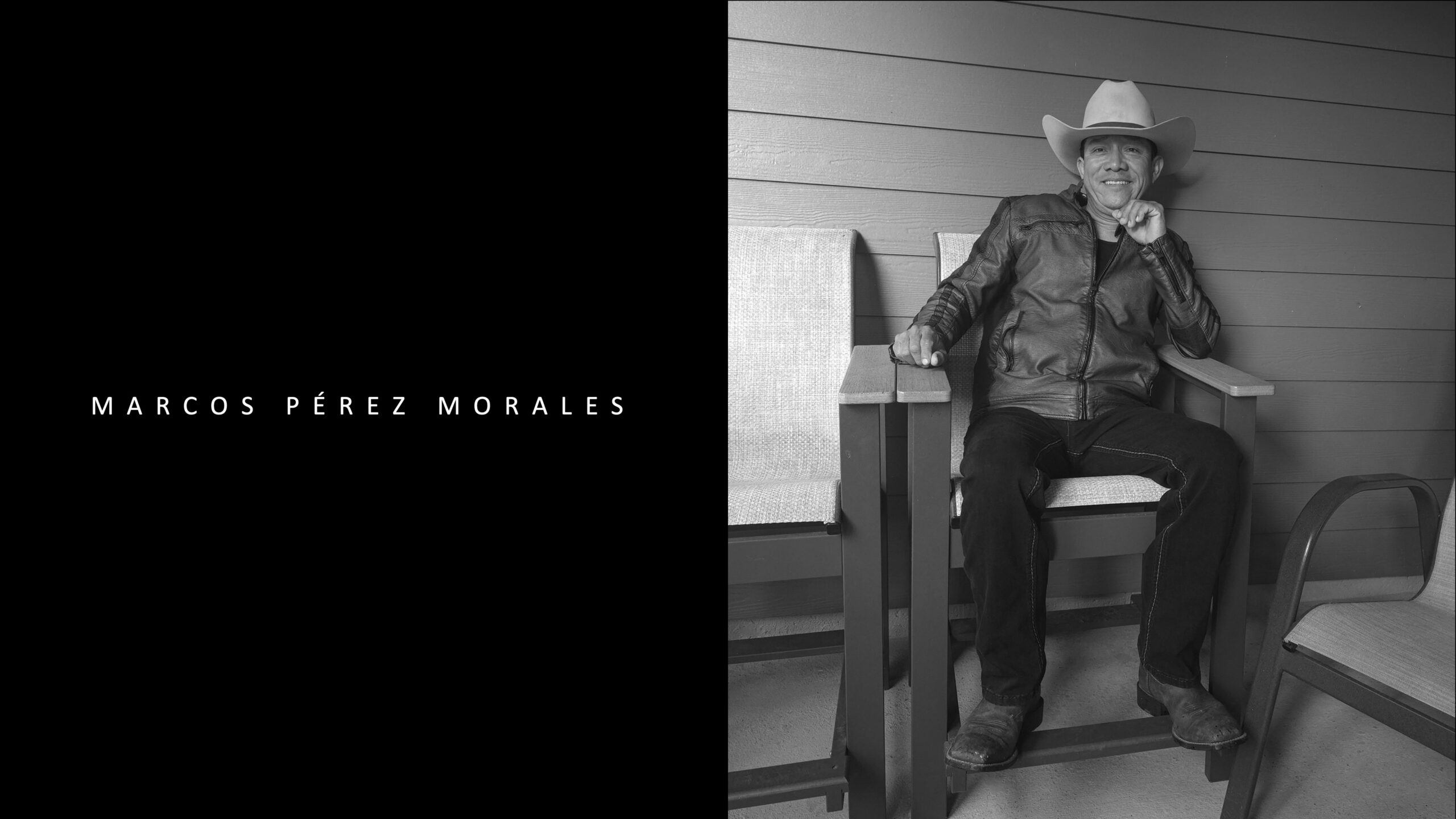
Marcos Pérez Morales | Interviewed by Juana Pérez Cárdenas | Listen
I had the privilege of interviewing my dad, Marcos Pérez Morales, because he is a great example of perseverance. I invited him to tell his story because I wanted him to realize how important he is to us and how the decision he made to come to the United States at only 14 changed not only his future but also his children's. Thanks to his hard work, he allowed us to be successful in school, something that he didn’t have as a child because in some parts of our country, Guatemala, school was and still is very limited, especially for indigenous peoples whose first language is a Mayan language. He inspired me to work hard, learn Spanish and English because, as he said, nothing is impossible. He came to this country, leaving behind his mom, his childhood, and his culture, because he dreamed that one day he would be a successful man.
Nowadays, he runs his own business and has immersed himself in a culture very different from ours. He learned Spanish and English, and although he still faces many challenges as a Latino, he will always walk with pride because he has proven that an Indigenous person without formal education can still achieve great things in this country, which makes him more incredible to me. As he mentioned, he has issues, and I believe acceptance is the first step to fighting against any type of addiction. I am proud to share his story and his perseverance, and I want him to be an example for all those who, for any reason, can’t attend school. As he always says, “where there is a will, there is a way.” I am glad and proud of my dad, and I will always be proud of my culture, my languages, my country, and my family because that is my identity.
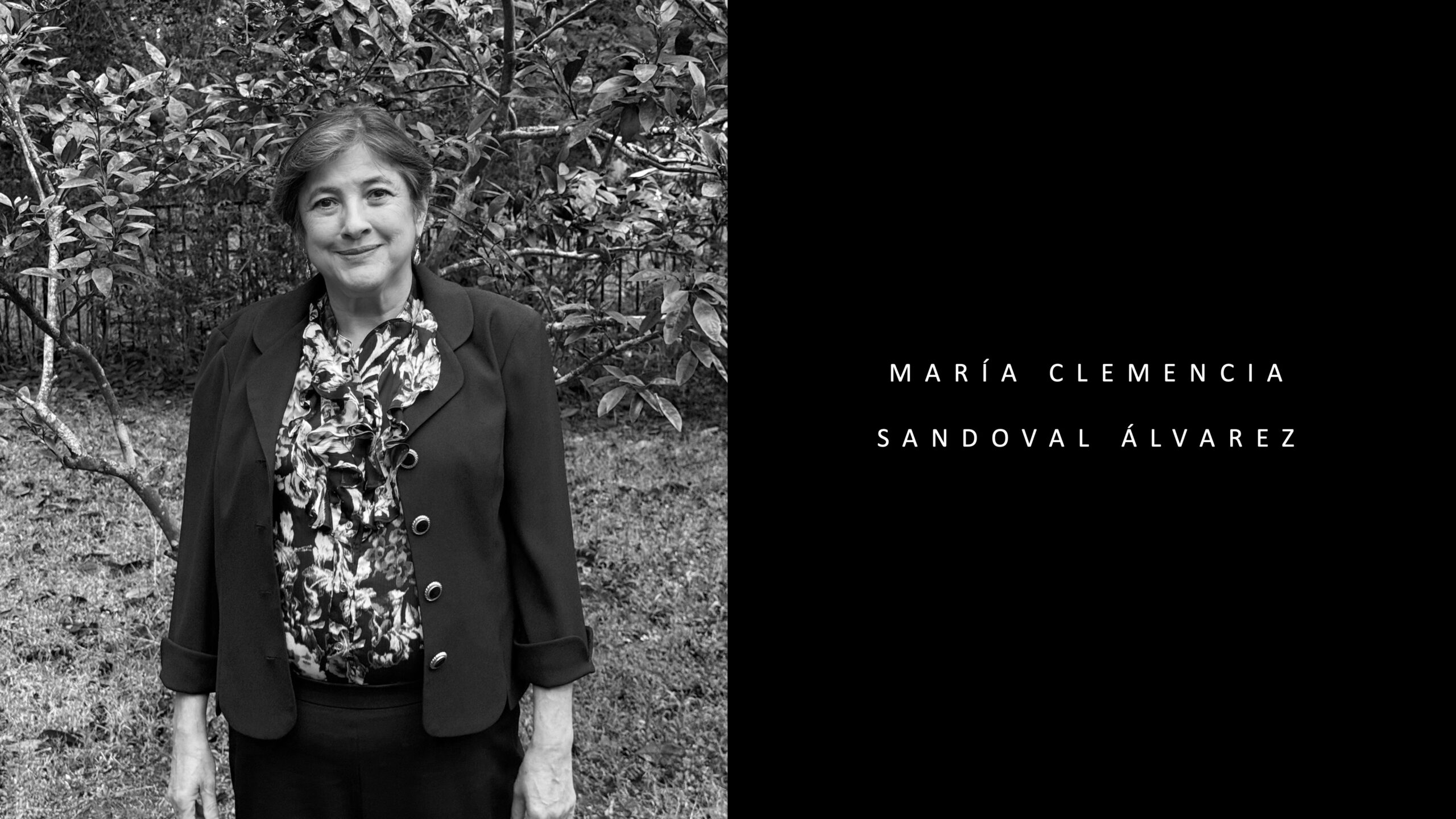
María Clemencia Sandoval Álvarez | Interviewed by David Williams | Listen
I interviewed my mother, María Clemencia Sandoval Álvarez, an immigrant from Bogotá, Colombia, and a civil engineer who built a successful life in the United States despite many challenges. When she came to this country, she had to adapt to a new culture, learn English, and begin her career under difficult circumstances. Early on, she worked for very low pay, earning only $80 per month, but she used the opportunity to gain experience and continue moving toward better positions. Throughout her career, she also faced toxic work environments and prejudice, yet she overcame those obstacles through hard work, responsibility, and a strong commitment to doing what was right.
Over time, her perseverance led her to a successful career, including her work for the City of Jacksonville, where she eventually retired. In addition to her professional accomplishments, she built a happy life in Jacksonville, where she raised two children and remained connected to her Latin heritage through her relationships with family and Latin American friends both in the United States and in Colombia. One of the ideas she emphasizes most is the importance of earning certifications in one’s field, such as the Professional Engineer license in civil engineering, because they can open doors and strengthen one’s career. Her story is inspiring to me not only because of everything she overcame, but because she influenced me to become an engineer and taught me the value of perseverance, integrity, and dedication.
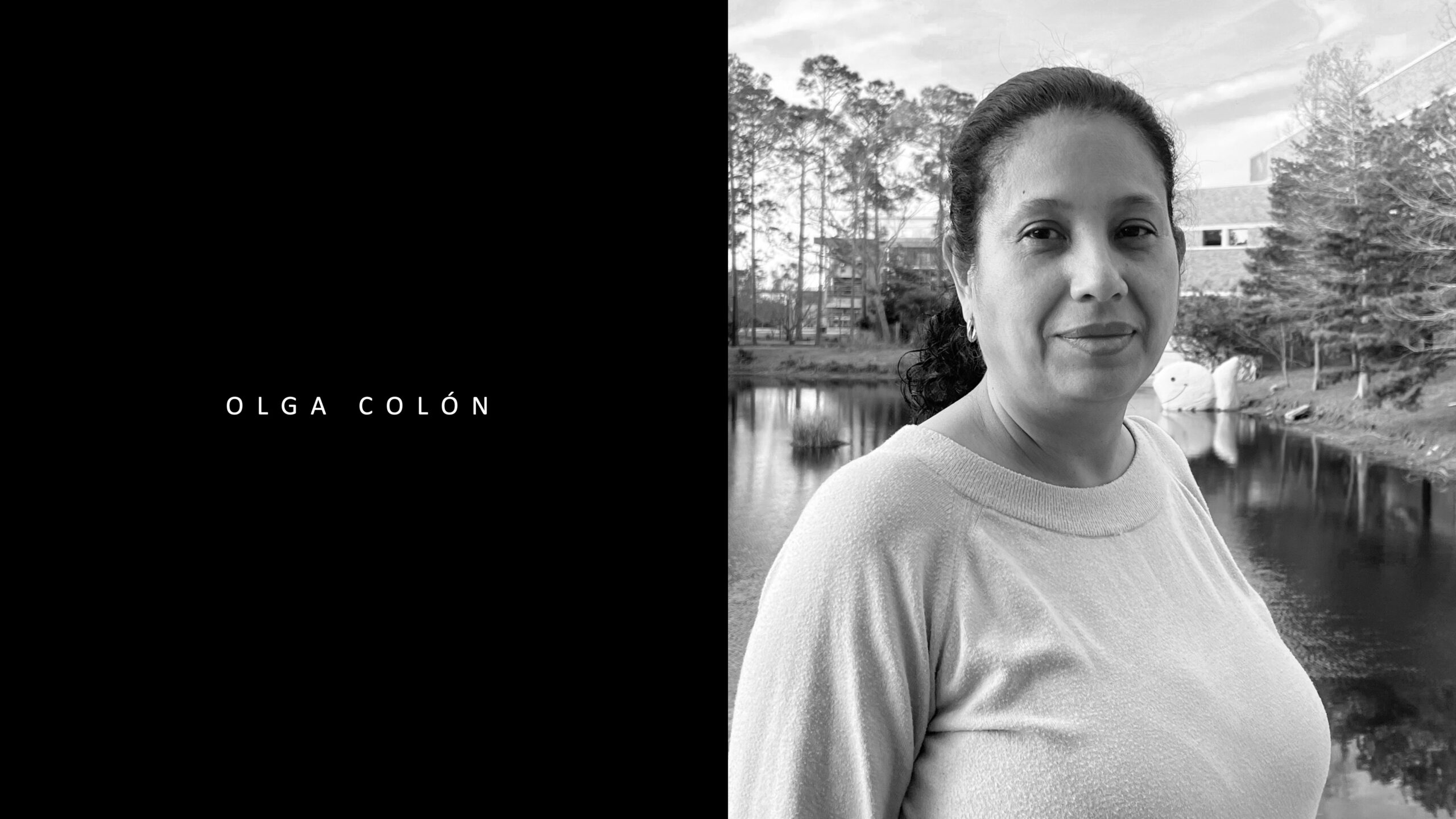
Olga Colón | Interviewed by Yadhira González | Listen
I had the pleasure of interviewing Olga Colón, a senior custodian who works at the University of North Florida. We talked about the small town she came from in Colombia, the childhood stories she remembers, what she misses most about her town, and her favorite foods. We also talked about her migration story from Colombia to the United States, the cultural shock she experienced here in Jacksonville, how the American Dream failed her, and feelings of grief and regret that she experienced from the loss of her daughter.
Olga has lived in the United States for about 30 years. She is from a small town called La Dorada in Caldas and married her current husband at 23. Since her husband was a U.S. citizen, he was able to bring her from Colombia to live in the United States and experience what she believed would be her American dream. However, she had to rethink her dream once she started a family and realized how hard it is to live in the United States. Learning English, adapting to American culture, taking care of her kids, finding work, and affording a roof over their heads were the main reasons Olga had to start working immediately and abandon her dream of going to college. For a while, she worked as a traveling cleaner for a cleaning company. Later, her former boss recommended her for a custodial position at Osprey Fountains.
Olga's story is one of thousands of similar stories of Latinos who come to the United States. Immigrants who work grueling and exhausting jobs to support their families and survive. They often work as cleaners or, in general, do the jobs no one else wants. That's why I wanted to interview Olga: to try to change the attitudes of those who don't respect custodial jobs and those who employ them.
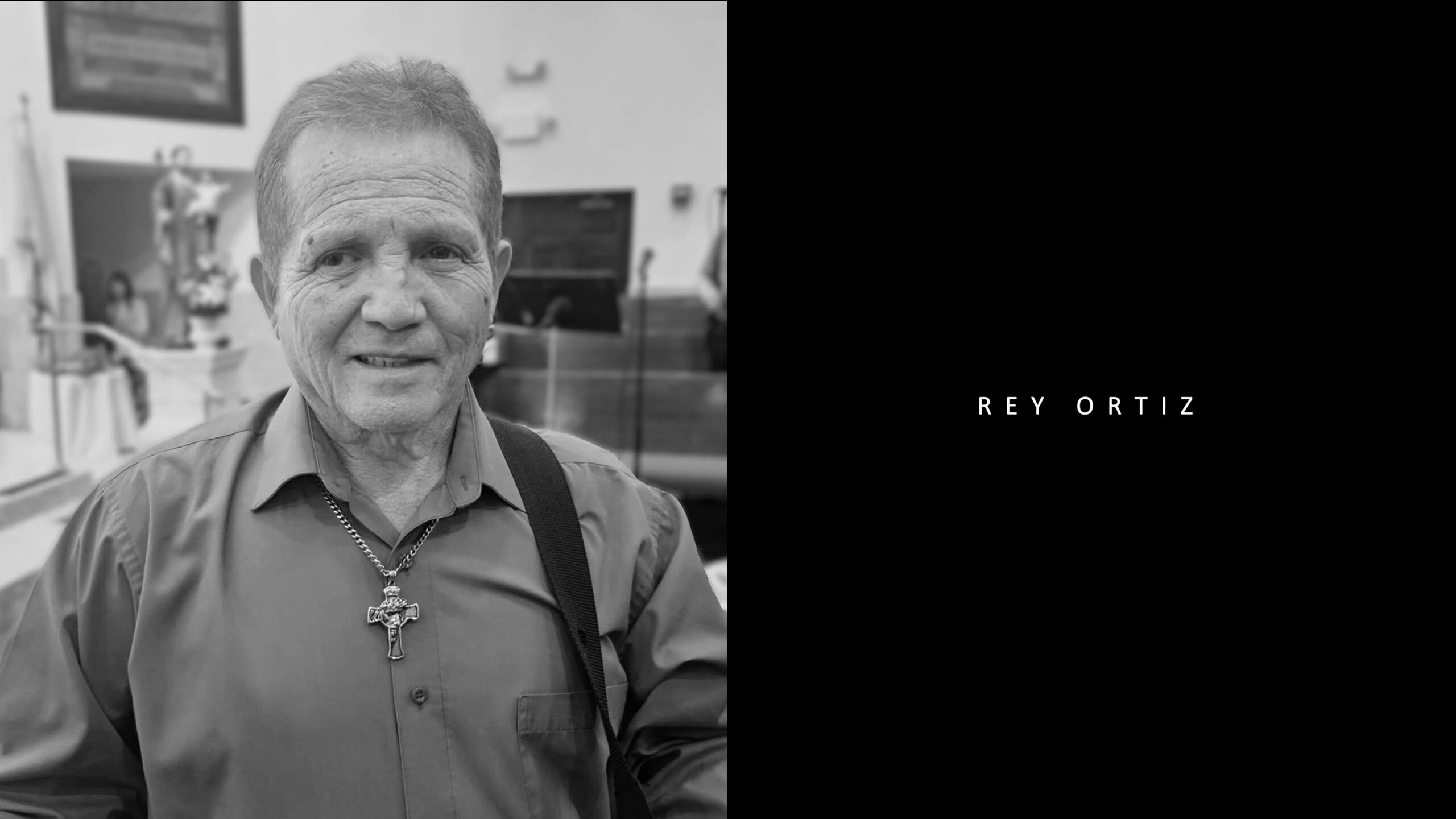
Rey Ortíz | Interviewed by Marcella Sánchez | Listen
I had the opportunity to interview Rey Ortíz, a migrant from Cayey, Puerto Rico, who is currently a choir director and guitarist for the Hispanic community at Christ the King Catholic Church. In our conversation, Rey shared insights about his life in Puerto Rico and his experience moving to Jacksonville.
From an early age, Rey learned to play the guitar and has performed religious music for many years. In 2004, he moved to the United States with his family, seeking assistance for his youngest son. They lived in Augusta, Georgia, for a year before relocating to Jacksonville, Florida, in 2005.
Rey discussed the differences between Puerto Rico and Jacksonville, as well as the changes that the Latinx community in Jacksonville has experienced over the past twenty years. He emphasized the importance of community in his life, describing it as “an extension of the family.” Rey highlighted the significance of supporting other Latinos living in the country. He also spoke about his passion for music, his dedication to the Catholic faith, and the things he misses most about his homeland.
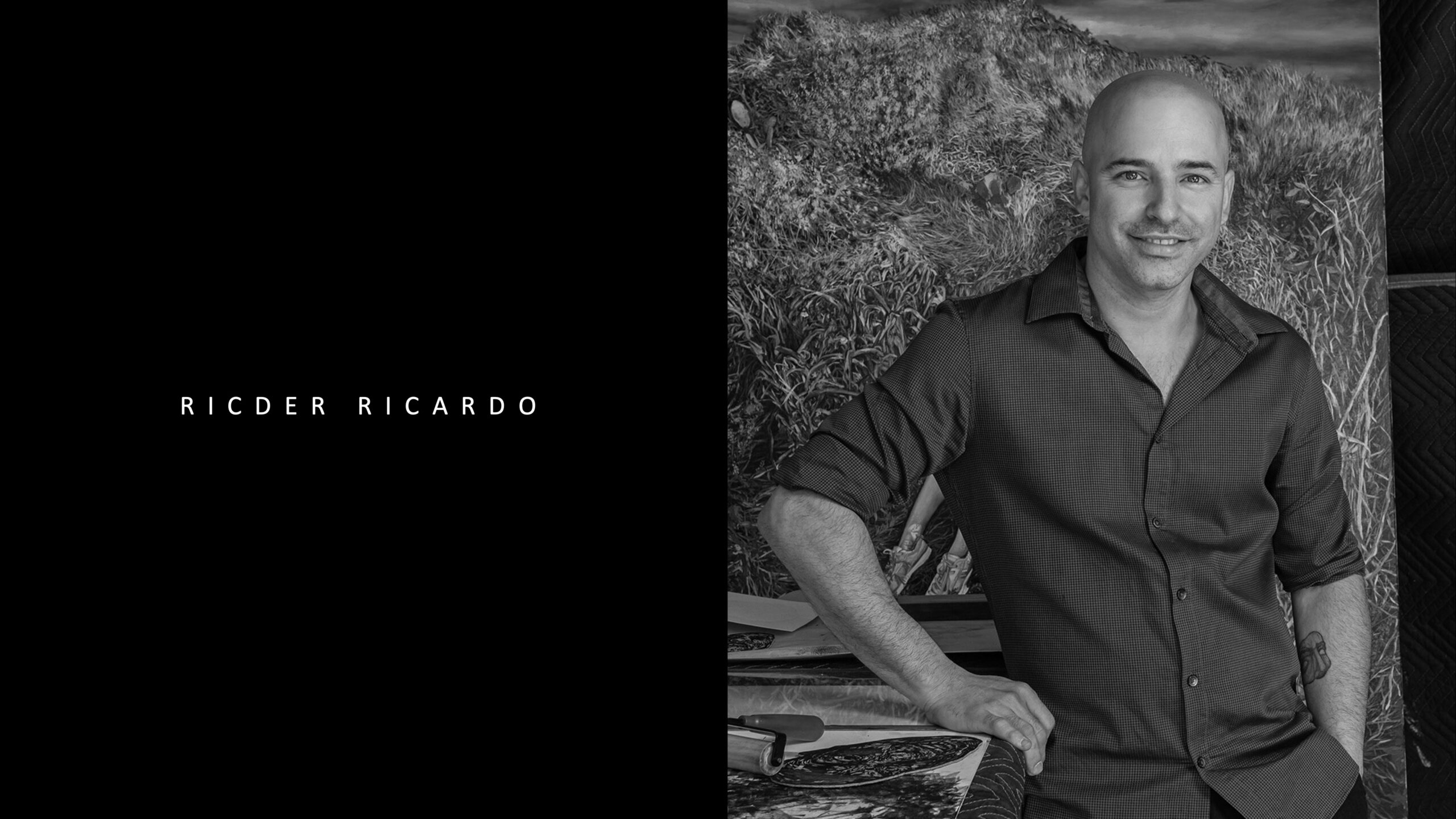
Ricder Ricardo | Interviewed by Óscar Andrade | Listen
This interview features Ricder Ricardo, a Cuban American multidisciplinary artist whose work explores migration, memory, identity, and sexuality. He explains that his experience as an immigrant deeply shapes his art, especially feelings of displacement and belonging. Through his work, he aims to highlight the sacrifices of migrants, particularly those who are undocumented, and to show that migration is a universal human experience that transcends gender and social class. Ricder’s artistic process has evolved to focus on more intimate and universal themes. He uses materials like paper and personal photographs to represent memory, family, and human connection. His goal is to emphasize shared human experiences rather than cultural differences, creating empathy across communities.
He also draws attention to the lives of everyday working-class Latinos, whose stories are often overlooked. A significant part of the interview centers on Ricder’s identity as a gay man within Latino and immigrant communities, which can sometimes be conservative. He shares that accepting his sexuality was a gradual process and emphasizes that people should not feel pressured to come out before they are ready. He highlights the importance of finding supportive environments, even if that means distancing oneself from certain family relationships. For him, the goal is not simply acceptance but normalization.
Ricder also discusses how family traditions can evolve with openness and a willingness to learn. He shares personal experiences of navigating family dynamics with his husband, noting both challenges and growth. His partner has also influenced his artwork, inspiring pieces about migration, legality, family, and loss. Ultimately, Ricder views his art as a way to challenge stereotypes, spark conversations, and inspire others. His message to young people is to embrace their identity, educate themselves about their culture, and express themselves authentically at their own pace.
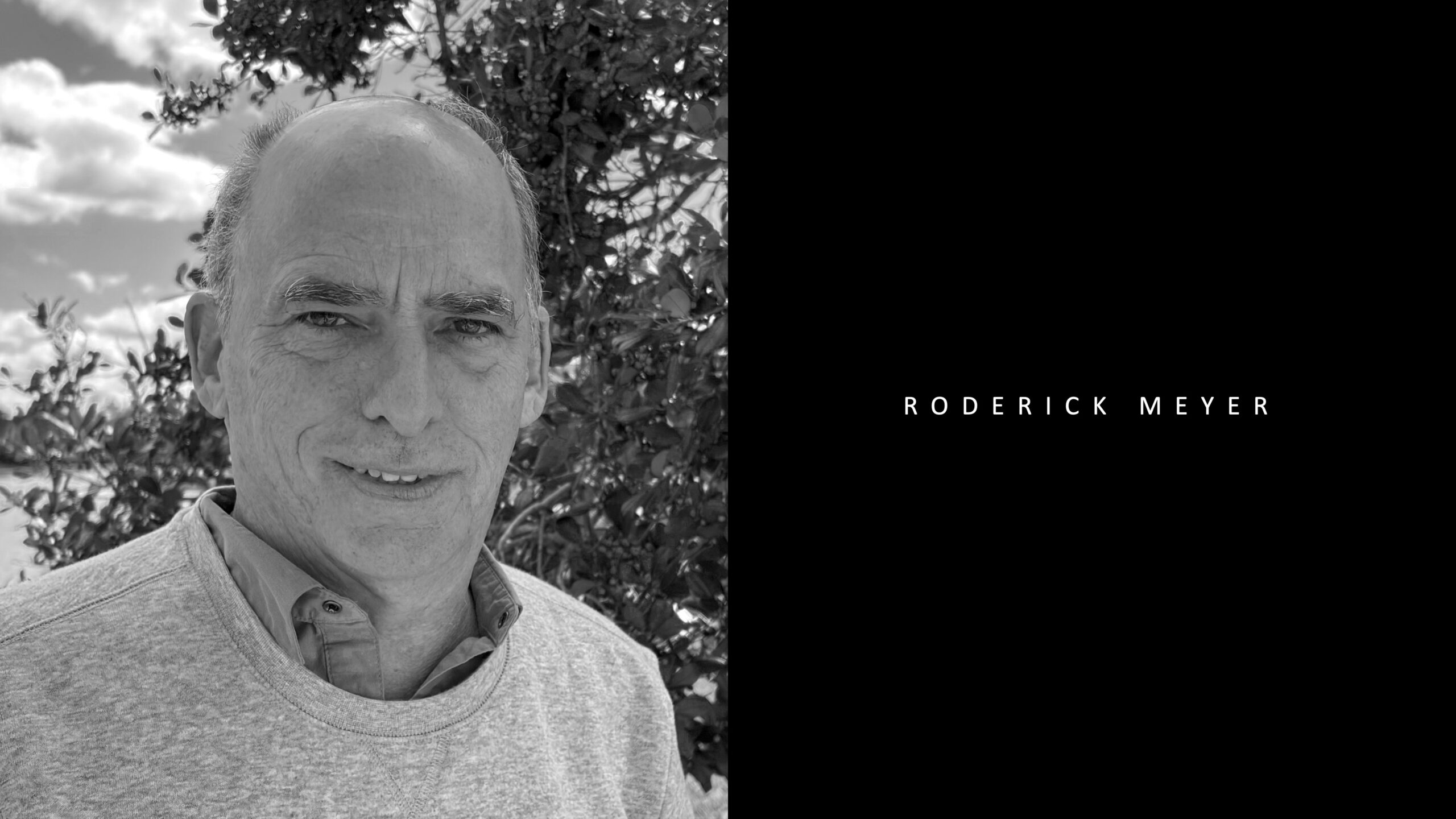
Roderick Meyer | Interviewed by Erick Meyer | Listen
I interviewed my father, Roderick Meyer, an engineer who graduated in Venezuela. Although he was born in New York, he grew up in Venezuela. He is currently 63 years old and lives in Jacksonville. I decided to interview him because he is an important pillar of my family, and I wanted to learn more about his life, childhood, the history of our last name, and why he decided to move to the United States.
During the interview, my father explained that our last name has German origins and that it is part of our family history, as the Venezuelan government invited our great-grandfather to work in the oil industry. He also talked about his childhood, which he described as happy and full of anecdotes. He also recalled fun moments from his adolescence, especially family gatherings and parties, such as Christmas celebrations and birthdays, since they were occasions to spend time with loved ones. He also remembered some trips he took as a child, which were important and exciting for him because he got to visit new places and share special moments with his family.
Finally, my father explained that he decided to move back to the United States in search of better opportunities and greater stability for the family. He said it was not an easy decision, since it meant leaving his country and part of his life behind, but he did it thinking of his family’s well-being. Despite the difficulties, he said he does not regret moving. This interview helped me learn more about my father’s story and value my family roots. In addition, this interview allowed me to practice my Spanish and share a pleasant moment with him.
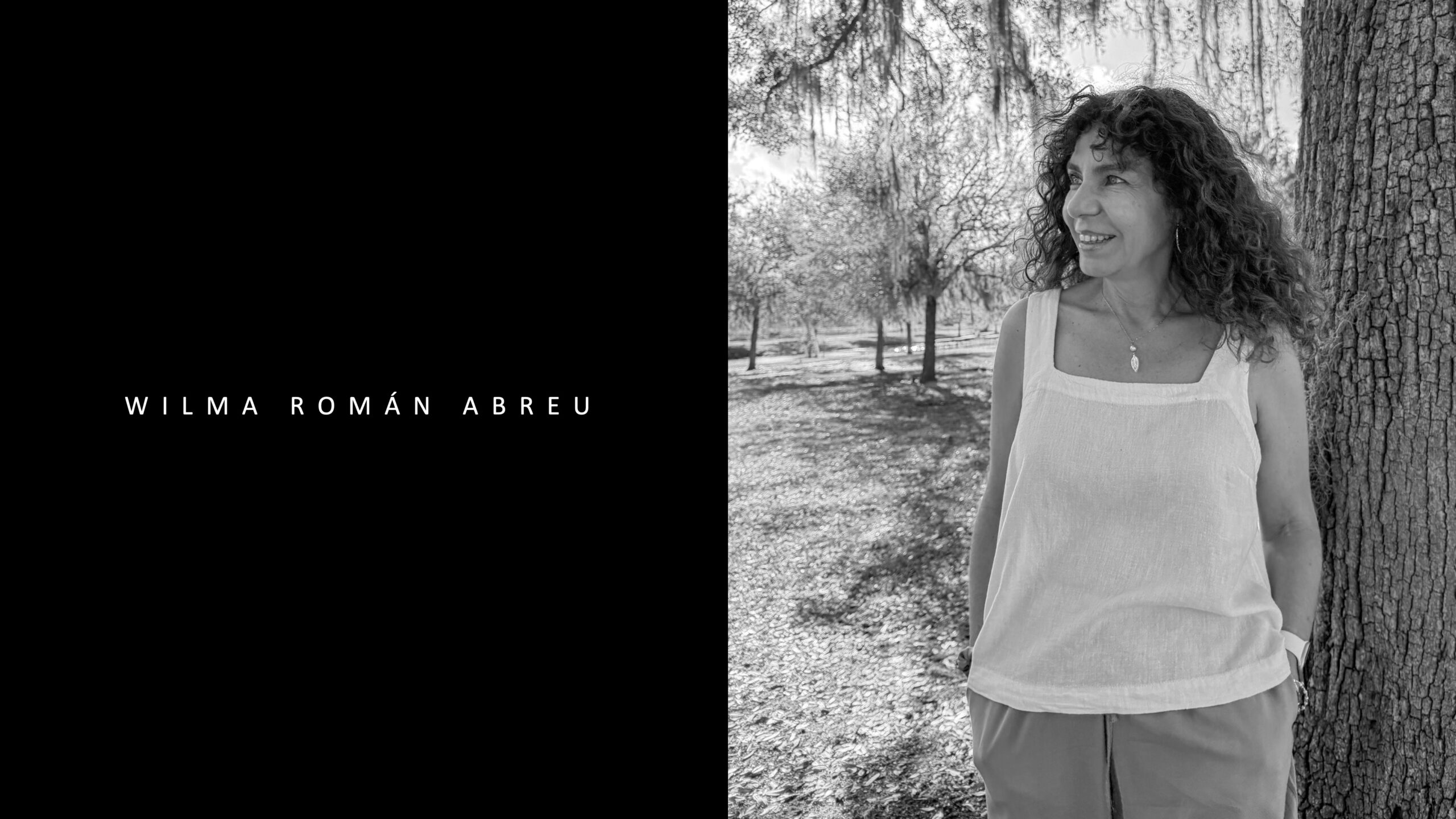
Wilma Román Abreu | Interviewed by Liza Abreu | Listen
In this interview, my mother, Wilma Roman Abreu, shares her experiences growing up in Santiago, Chile, alongside her parents and two sisters during a time of political tension. She reflects on her early childhood memories of a loving home filled with animals and happy moments. She also recalls how uncertainty slowly entered her life as the country faced major political changes. One of the most impactful moments she describes is when her family began preparing to leave Chile, selling their belongings, only for those plans to be disrupted by the 1973 coup. As a child, she didn’t fully understand what was happening, but looking back, she recognizes how deeply those events shaped her life.
Wilma also speaks about the influence of her mother, who raised her and her sisters largely on her own after her parents divorced. Wilma describes her as strong, proud, and determined, someone who took on every responsibility to provide for her family. From her, Wilma learned the importance of perseverance, independence, and always pushing forward, even in difficult circumstances.
In the interview, my mom reflects on her experiences adapting to different cultures after leaving Chile. She shares stories of moving to the Dominican Republic, where she struggled at first with cultural differences, and later adjusting to her new life in the United States. She also speaks about her relationship with my father, who is from Puerto Rico, and how navigating different cultural backgrounds became a part of her journey. Despite these challenges, she found ways to grow, adapt, and embrace new environments, which ultimately shaped her outlook on life.
One of the most meaningful parts of the interview was hearing the values she continues to carry with her today. She emphasized the importance of honesty, keeping your word, and maintaining both kindness and boundaries. Listening to her story was incredibly moving. It helped me understand her on a deeper level and see her beyond just my mom. Through her storytelling, I was able to imagine her as a little girl, navigating a constantly changing world. I realized the depth of the emotions and experiences she’s carried with her, all while being the strong and resilient mom I’ve always known. It gave me a new sense of empathy, pride, and gratitude, knowing how lucky I am to have such an amazing woman as my mom.
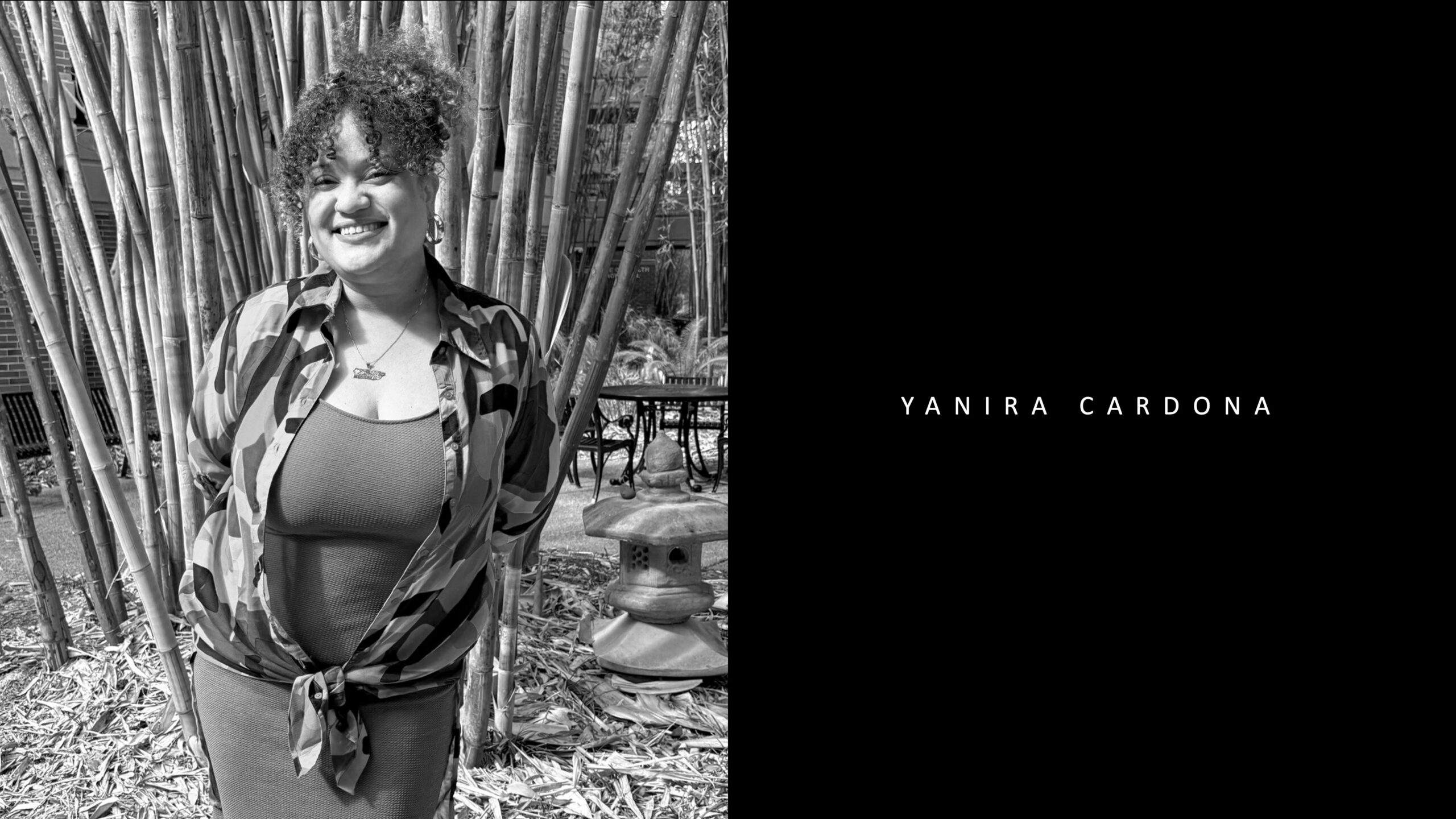
Yanira Cardona | Interviewed by Daisey Miranda | Listen
I had the pleasure of interviewing Yanira Cardona, who has a significant impact on the Jacksonville community. Not only is Yanira the city’s first Hispanic Outreach Coordinator, but she is also an inspiration for the Hispanic community. Yanira shared her story while reflecting on both the challenges and achievements that have shaped her journey. Her impact on Jacksonville demonstrates cultural pride, unity, and empowerment. She adores bringing people together and connecting them with opportunities, resources, and support systems.
Yanira is the owner of Yaya Productions and the creator of “Viva la Fiesta.” Through this event and her current work, she has played a major role in celebrating Latino culture. As well as advocating for resources throughout Jacksonville. Her focus remains on uplifting others and creating a sense of unity. She has worked on over 400 events for Jacksonville. She emphasized how these events help bring the community together and provide a sense of belonging.
Throughout our conversation, there were several meaningful parts about her journey and experiences. So many of her experiences have left a lasting impression on her life. Yanira spoke about her involvement in raising awareness and supporting families facing severe hardships. She also explained that her cultural background played a significant role in her ability to connect with Hispanic families. Yanira connected her experiences growing up to her work in Jacksonville, explaining how they all tie together. Her passion is visible in the way she describes her work. Her events mean the world to her, and she places community in the center of everything that she does.
I was amazed and inspired by Yanira’s story. I believe that many students will feel the same way I did listening to her story. It was such an eye-opening experience; her dedication, resilience, and drive for helping others truly represent how incredible she is. Not only has she created endless opportunities and provided resources for the Hispanic community in Jacksonville, but she has also strengthened the city as a whole. Her story demonstrates how one person can make a lasting impact.
